
5 Steps to Take After a Storm Damages Your Roof in Boise

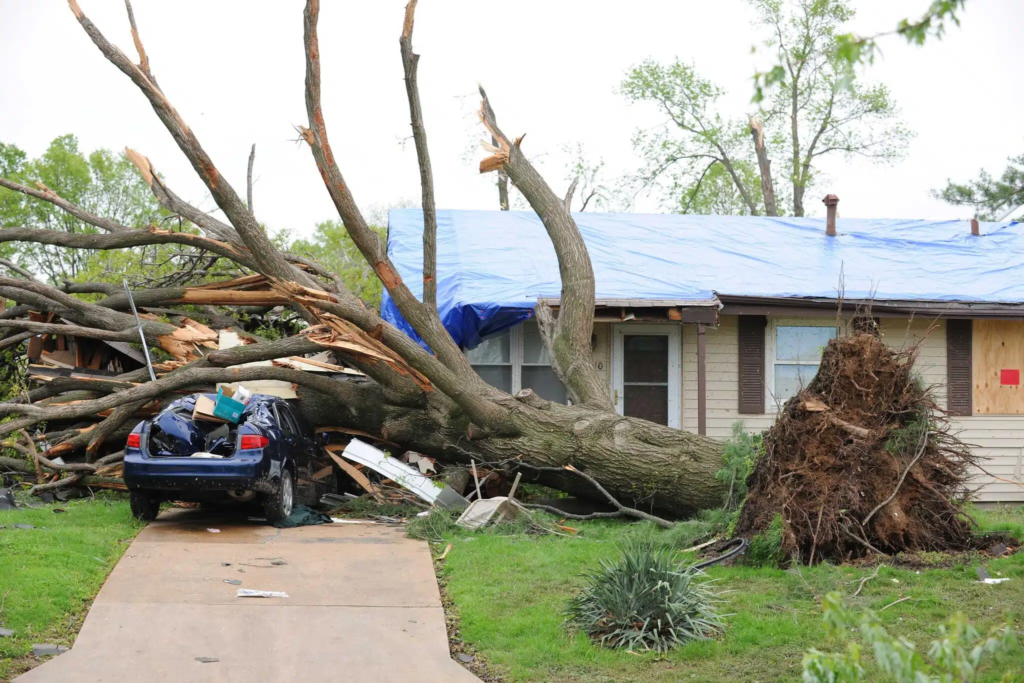
According to the Boise Idaho natural disaster risk website “Over the past 20 years, 7 natural disasters have been declared by the county.”  While this number is quite low, it is still wise to be prepared as the next storm could be quite devastating. What are the steps to take when a natural disaster does occur? Read on to learn more about what a responsible homeowner can do when storms damage a roof.

Be Safe

Above all else, ensure the safety of both yourself and your family, as this is the utmost concern. This applies to any form of natural calamity, regardless of its magnitude. In case of any damage, avoid approaching fallen power lines, refrain from using electrical devices in the presence of excessive floodwater, and exercise caution near compromised structures. Before leaving your residence, conduct an assessment of the surrounding area.

If you are able, contact Boise Emergency Management for additional safety tips and emergency information. 

Assess the Damage to Your Roof

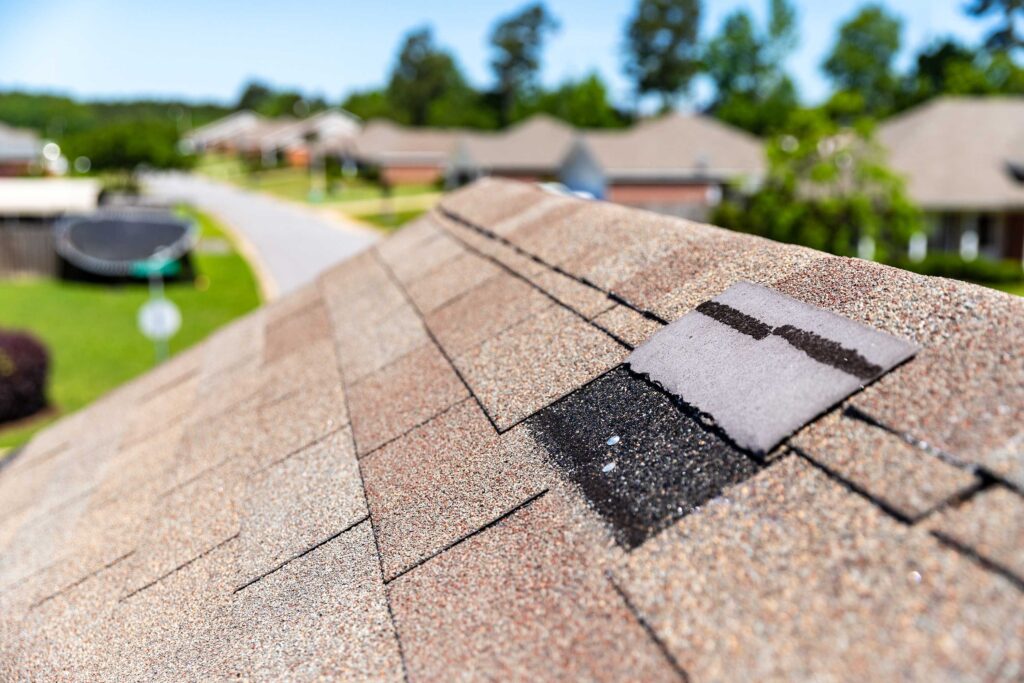
No matter how robust a roofing system may be, it cannot withstand the full force of severe storms. Capture as many photographs of your roof as possible during suitable conditions, and if possible, record a video as well. It’s wiser to have an abundance of pictures and videos rather than an insufficient amount.

Make Temporary Fixes

Are there any water leaks in your kitchen due to roof holes? If your home isn’t flooded, position five-gallon buckets, pails, or pots underneath the dripping water to collect it and prevent further damage from the leaks. If there’s only minor shingle damage, consider covering the affected area with a tarp until proper repairs can be made.

Contact Your Local Roofing Contractor

It’s essential to rely on a local company for storm-related repairs. Avoid trusting and working with a storm-chasing roofing company. Regrettably, these companies often take advantage of vulnerable individuals and don’t provide the same level of product quality and service as a local contractor. If issues arise with your roof after installation, the storm chasers have typically departed town and are unreachable. In contrast, a local company can promptly assess and address any problems that may arise.

Contact Your Insurance Agent

Don’t forget to reach out to your insurance agent, especially since you likely have a good working relationship with them. Your agent can be a valuable resource in learning the “ins and outs” of your insurance policy. Be sure to inquire about the specifics related to natural disasters as coverage can vary significantly among different insurance companies. It’s essential to have a clear understanding of what your policy encompasses to make informed decisions during the claims process.

Be sure to contact Superior Roofing Plus in Boise when you need some assistance with assessing the damage to your roof. We have over 30 years of experience working with local homeowners in various weather conditions to help restore their homes, so you can rest assured we’ve got your back. We will be on time, reliable, and ready to assist in any way we can to help you get a solid strong roof back on your home. 

Call us today to discuss the damage done to your roof in the latest storm or natural disaster. We will give a thorough inspection and speak with you clearly about our findings. We are here to help! Give us a call today, and gain back peace of mind. 

Recent Blogs

Red Feather CCR Guidelines

Quick CCR Rules

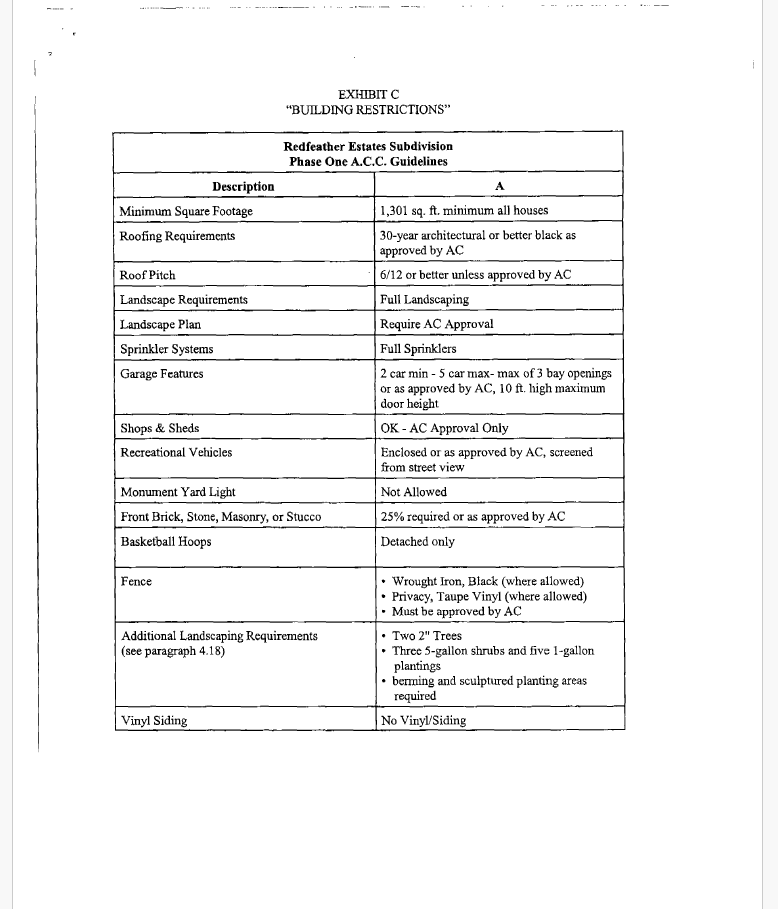
• 30-year architectural shingles required
• Black roofing unless approved otherwise
• Minimum roof pitch of 6/12
• Roofing materials must be approved by AC
• Accessory structures must match the home

Detailed Summary

The Red Feather CCRs include several guidelines that may affect roof replacements, materials, and design choices. Below is a plain-language summary of the roofing-related sections identified in the CCR document.

Roofing Material Requirements
Homes in Red Feather must use 30-year architectural shingles or better, typically in black roofing, unless another option is approved by the Architectural Committee (AC).

Roof Pitch
Homes in the neighborhood are expected to maintain a minimum roof pitch of 6/12 unless an alternative design is approved by the Architectural Committee.

Architectural Committee Approval
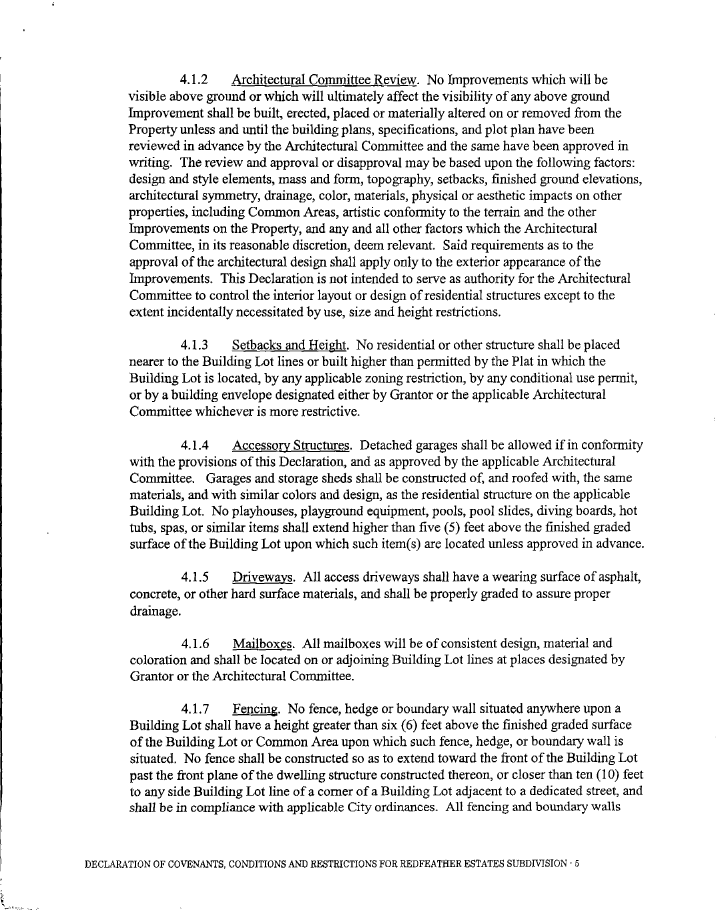
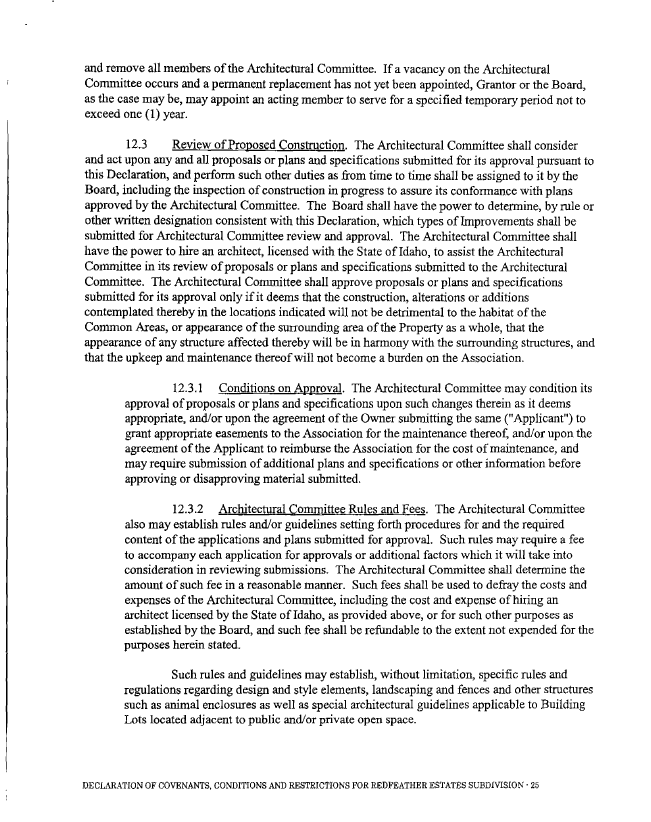
Roofing materials, colors, and design must be reviewed and approved by the Architectural Committee (AC) as part of the building plans and specifications for the property.

Accessory Structures
If a property includes structures such as garages or storage sheds, they must be roofed using the same roofing materials and similar colors/design as the primary home.

Developer Exemption
The original developer (Grantor) was not required to obtain Architectural Committee approval for roofing materials or design for improvements built during the development phase.

Source Pages

Disclaimer

This summary is provided as a convenience to help homeowners quickly understand roofing-related provisions within the Red Feather CCR document. CCR rules and HOA guidelines may change or be interpreted differently by the Architectural Committee. Homeowners should review the full governing documents and confirm current requirements with the HOA or Architectural Committee before beginning any roofing project.

Need help navigating your neighborhood’s roofing requirements? Our team regularly works in West Boise and can help ensure your roof replacement meets subdivision guidelines.

Info collected March 2026