
6 Big Benefits of Gutter Guards Every Boise Homeowner Should Know

Boise homeowners know the value of year-round maintenance—from prepping for snowy winters to managing summer dust and debris. But one often-overlooked element of home protection is your gutter system. When gutters clog with leaves, pine needles, and debris, water can’t flow away from your home properly—and that can lead to expensive problems.

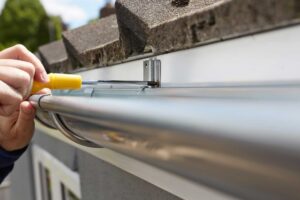
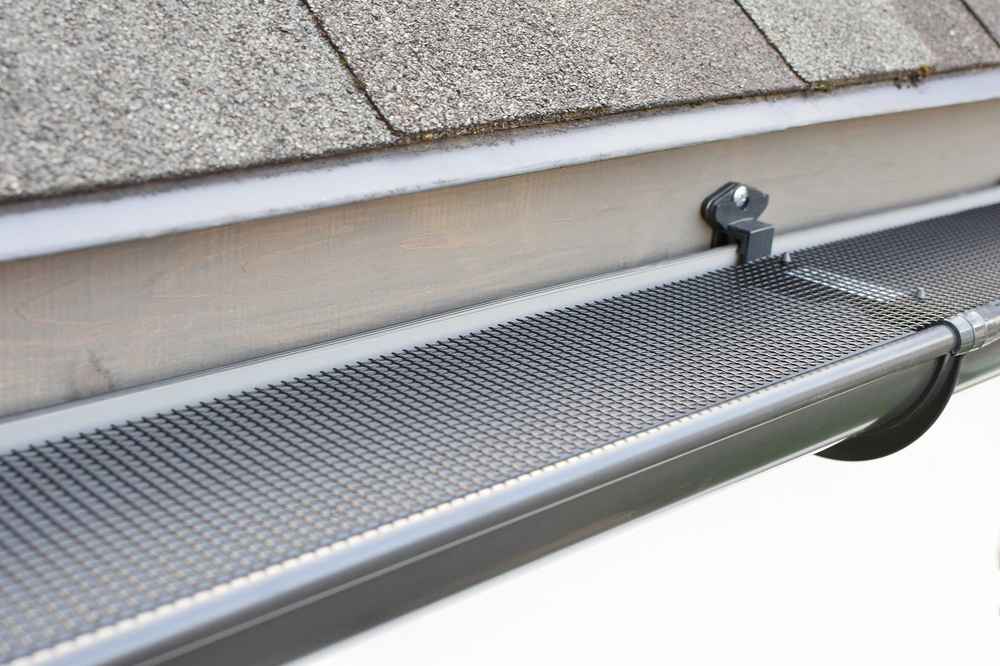
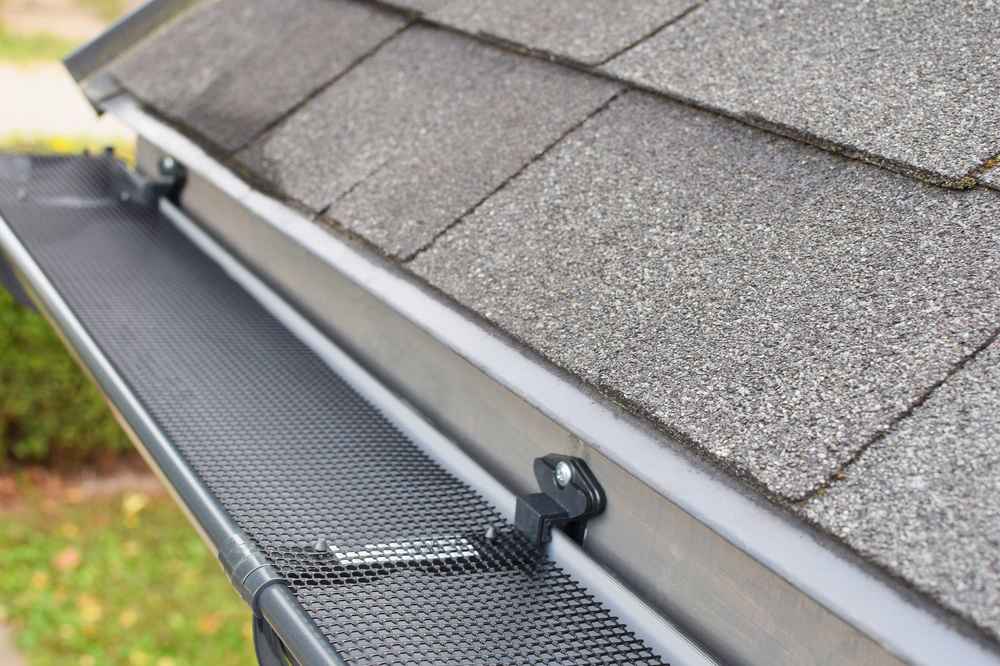
That’s where gutter guards come in. These simple yet effective additions sit on top of your gutters and help keep them clear, minimizing the need for constant cleaning and reducing the risk of water damage. If you’re wondering whether they’re worth the investment, read on. Below, we break down the biggest benefits of installing gutter guards on your Boise home.

Why Gutter Guards Are a Smart Investment

Gutter guards aren’t just about convenience—they’re a proactive way to protect your home’s foundation, roof, siding, and landscaping. Here’s why more Boise residents are adding them to their maintenance plans:

1. Less Frequent Cleaning

Nobody loves cleaning out their gutters—especially when it means dragging out the ladder and risking a fall. Gutter guards significantly reduce the amount of debris that can enter your system, meaning you’ll need to clean your gutters less often and with less mess.

2. Protection Against Water Damage

When gutters overflow due to clogs, water can back up under your roof shingles, spill onto your siding, and even erode your foundation. Gutter guards promote steady drainage, protecting your roof, fascia, and foundation from costly water-related damage.

3. Prevention of Pest Infestation

Clogged gutters create the perfect nesting grounds for birds, insects, and rodents. By eliminating stagnant water and debris buildup, gutter guards help keep pests like mosquitoes, squirrels, and carpenter ants from turning your gutters into their home.

4. Fire Protection (Especially in Dry Idaho Summers)

In dry, fire-prone areas like Boise, gutter guards can provide an extra layer of protection. Dry leaves and pine needles in your gutters can become tinder during wildfire season. Keeping them out reduces the chance of fire hazards near your roofline.

5. Extended Gutter Lifespan

When gutters constantly hold wet debris, they begin to corrode or warp faster. Gutter guards help maintain proper drainage and airflow, which means your gutters last longer and work better over the years.

6. Increased Home Value

Though they may seem like a minor upgrade, gutter guards are a practical feature that appeals to buyers who want low-maintenance living. They show that you’ve taken proactive care of your home, which can enhance resale value and curb appeal.

Bonus: Gutter Guards Are Perfect for Boise’s Trees

From towering pines to leafy maples, Boise’s beautiful urban forest is one of the city’s greatest assets—but it also means constant leaf fall, especially in autumn. Gutter guards are an ideal solution for homeowners who love the shade but don’t love the cleanup.

What Types of Gutter Guards Are Available?

There are several styles to choose from, including:

  • Screen guards – Metal or plastic mesh placed over your gutters to block large debris
  • Surface tension guards – Direct water into the gutter while leaves fall off the edge
  • Foam inserts – Sit inside your gutters and allow water to pass while blocking solids

The best option depends on your home, roof style, and environment—and that’s where expert guidance makes all the difference.

A Simple Solution with Lasting Impact

Gutter guards are one of those rare home upgrades that combine practicality, safety, and long-term savings. They reduce maintenance, protect your property, and keep your drainage system working efficiently throughout the year—especially important in Boise’s varied climate.

If you’re ready to spend less time on a ladder and more time enjoying your home, it’s time to explore your options.

Contact Superior Roofing in Boise, Idaho to schedule your free consultation. We’ll help you find the right gutter guard system and install it with expert precision—so you can protect your home, season after season.

Recent Blogs

Red Feather CCR Guidelines

Quick CCR Rules

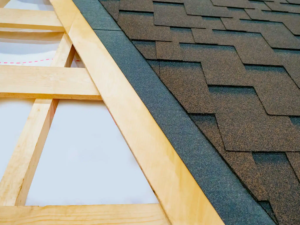
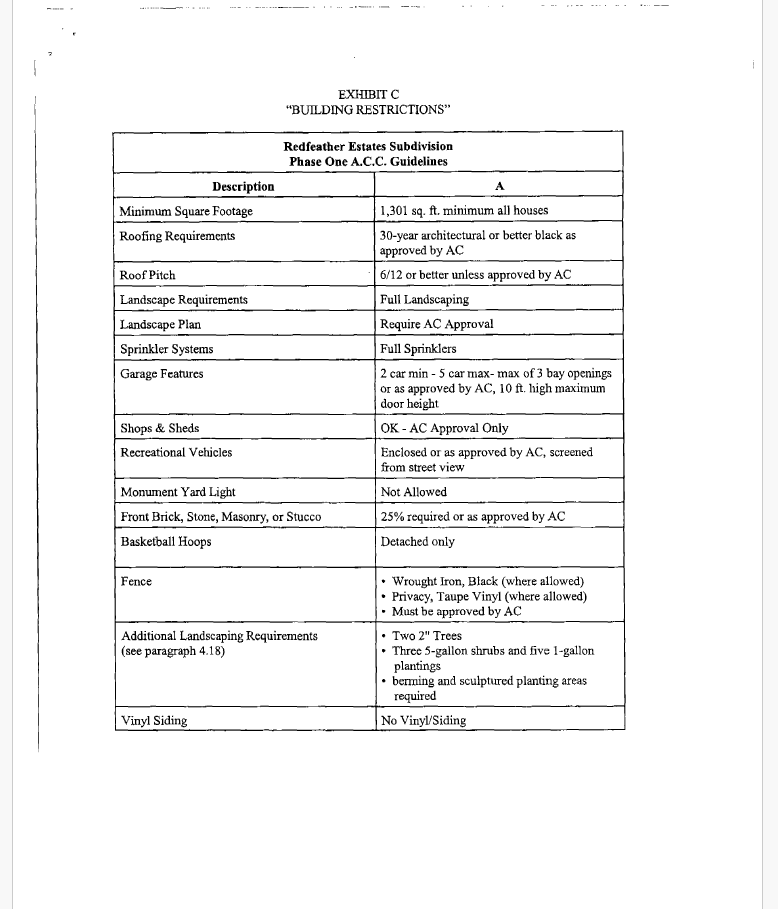
• 30-year architectural shingles required
• Black roofing unless approved otherwise
• Minimum roof pitch of 6/12
• Roofing materials must be approved by AC
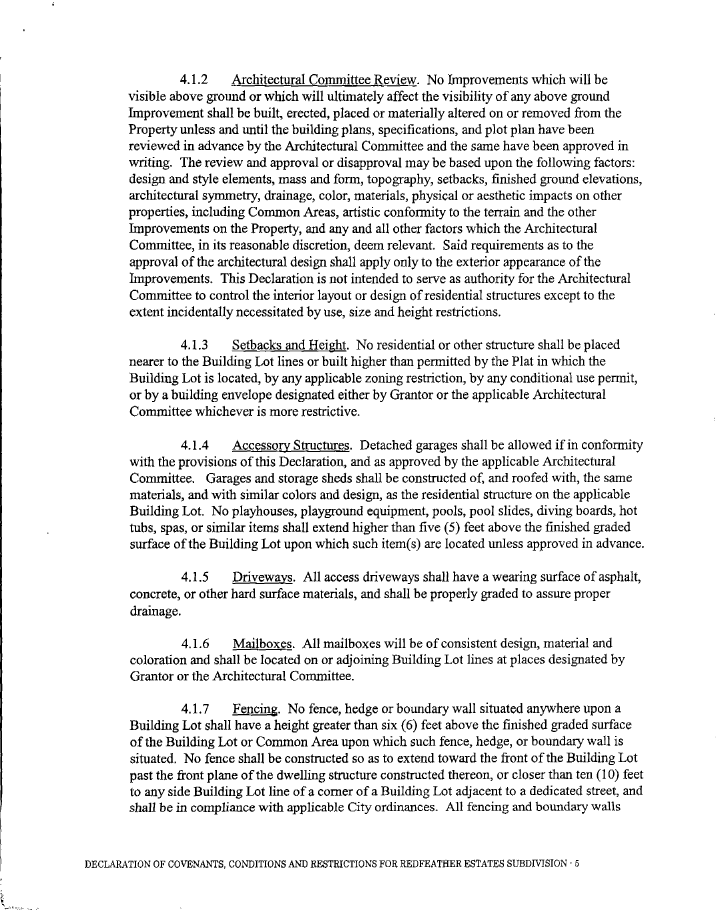
• Accessory structures must match the home

Detailed Summary

The Red Feather CCRs include several guidelines that may affect roof replacements, materials, and design choices. Below is a plain-language summary of the roofing-related sections identified in the CCR document.

Roofing Material Requirements
Homes in Red Feather must use 30-year architectural shingles or better, typically in black roofing, unless another option is approved by the Architectural Committee (AC).

Roof Pitch
Homes in the neighborhood are expected to maintain a minimum roof pitch of 6/12 unless an alternative design is approved by the Architectural Committee.

Architectural Committee Approval
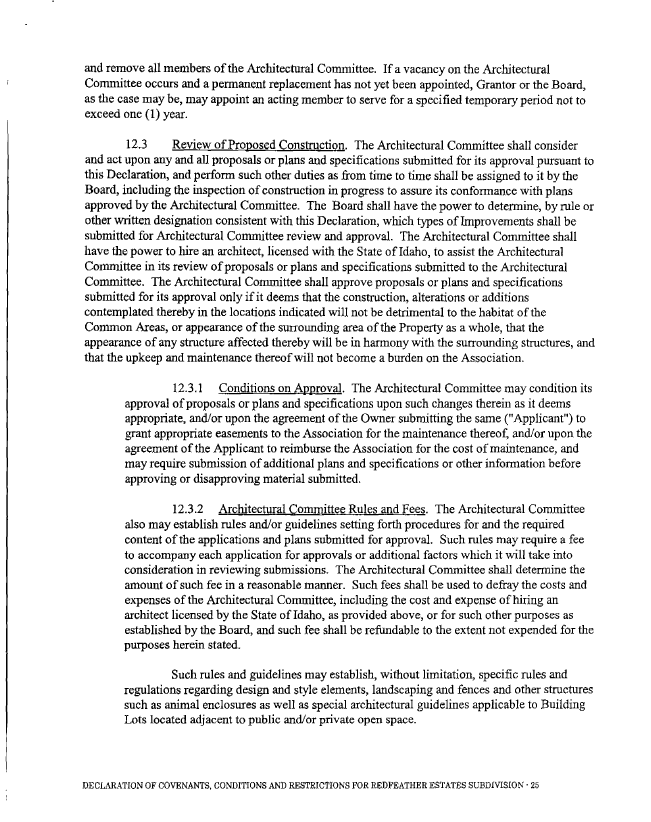
Roofing materials, colors, and design must be reviewed and approved by the Architectural Committee (AC) as part of the building plans and specifications for the property.

Accessory Structures
If a property includes structures such as garages or storage sheds, they must be roofed using the same roofing materials and similar colors/design as the primary home.

Developer Exemption
The original developer (Grantor) was not required to obtain Architectural Committee approval for roofing materials or design for improvements built during the development phase.

Source Pages

Disclaimer

This summary is provided as a convenience to help homeowners quickly understand roofing-related provisions within the Red Feather CCR document. CCR rules and HOA guidelines may change or be interpreted differently by the Architectural Committee. Homeowners should review the full governing documents and confirm current requirements with the HOA or Architectural Committee before beginning any roofing project.

Need help navigating your neighborhood’s roofing requirements? Our team regularly works in West Boise and can help ensure your roof replacement meets subdivision guidelines.

Info collected March 2026