
6 Steps to Help You Prepare Your Roof for Spring Weather in Eagle

Spring weather is approaching, and now is the ideal moment for spring roof maintenance to ensure your roof is well-prepared for the challenges of changing weather. In Eagle, where the seasons can be diverse, taking steps for spring roof maintenance is crucial to safeguard your home and investment. Follow these six essential steps to guarantee your roof is in optimal condition as we transition into the warmer months.

Key Steps for Spring Roof Maintenance: Ensuring a Secure and Resilient Roof

1. Inspection is Key:

Start your spring roof preparation by conducting a thorough inspection. Look for any signs of damage caused by winter weather, such as missing or damaged shingles, leaks, or water stains on the ceiling. Pay close attention to the flashing around chimneys, vents, and skylights. Identifying and addressing issues early can prevent further damage and costly repairs.

2. Clean Your Gutters:

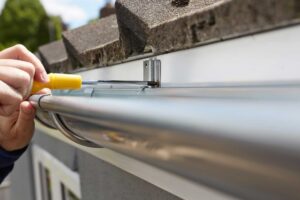
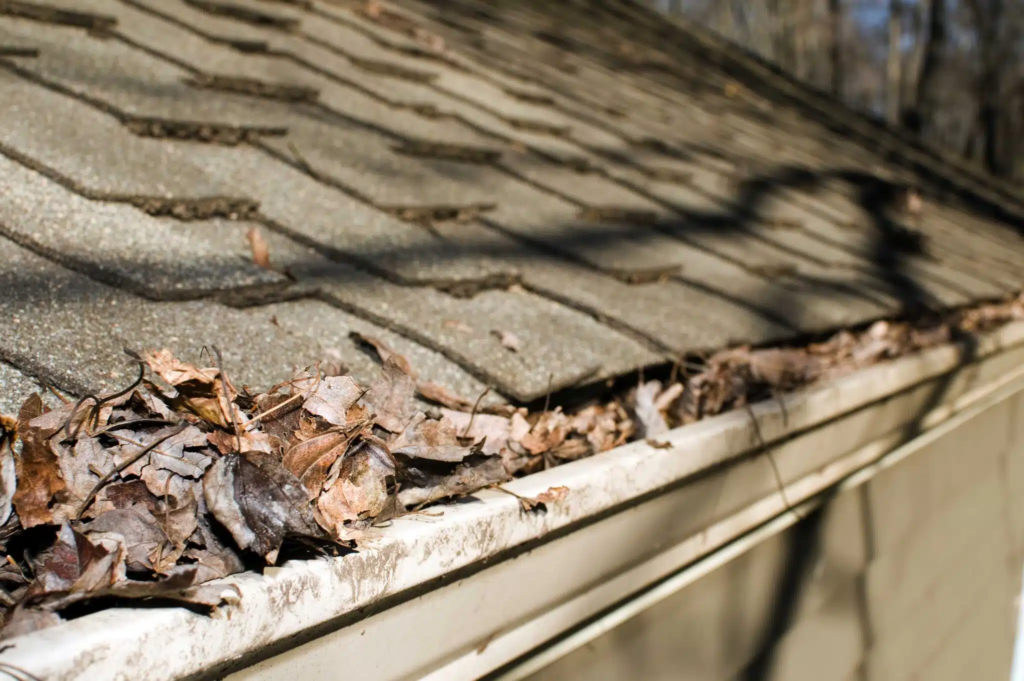
Winter can leave debris, leaves, and other materials clogging your gutters and downspouts. Clogged gutters can lead to water backup, causing damage to your roof and home. Clean out your gutters and ensure that downspouts are clear, allowing water to flow freely. This simple step can prevent water from pooling on your roof and protect against potential water damage.

3. Trim Overhanging Branches:

Eagle’s beautiful trees can pose a threat to your roof if branches are too close or overhanging. Trim back any branches that are touching or too close to the roof. Spring storms can bring strong winds, and removing overhanging branches reduces the risk of them causing damage during severe weather.

4. Check for Mold and Moss:

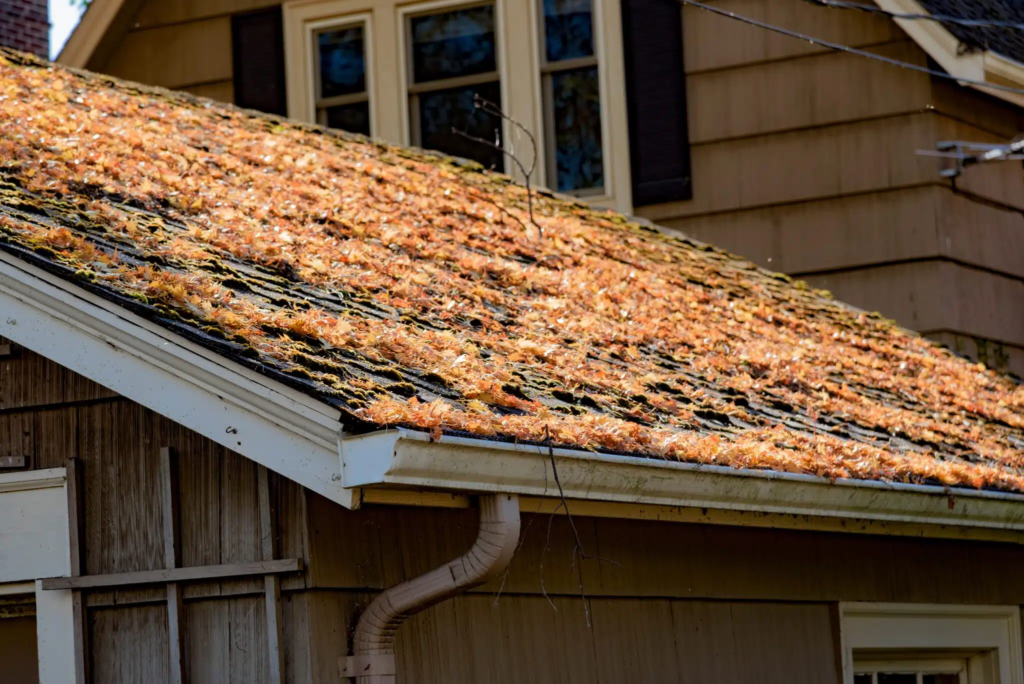
Inspect your roof for any signs of mold, mildew, or moss. These can accumulate during the wetter months and compromise the integrity of your roofing materials. Use a moss killer or a mixture of water and bleach to clean affected areas. Be cautious not to damage your shingles in the process.

5. Ensure Proper Ventilation:

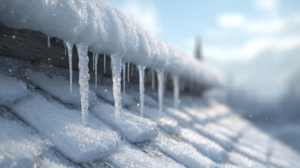
Proper ventilation is crucial for maintaining a healthy roof. Check your attic for signs of inadequate ventilation, such as moisture, mold, or a musty odor. Adequate ventilation helps regulate temperature and moisture, preventing issues like ice dams in winter and excessive heat in summer. Consider installing vents or a ridge vent to improve airflow.

6. Schedule a Professional Roof Inspection:

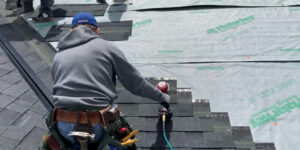
While DIY inspections are beneficial, hiring a professional roofing contractor for a comprehensive inspection is invaluable. A trained eye can identify potential issues that may go unnoticed and provide expert recommendations for maintenance or repairs. A professional inspection can also extend the lifespan of your roof and give you peace of mind knowing your home is well-protected.

Ensure Spring Weather Roof Prep with Superior Roofing in Eagle

As a trusted roofing company serving the Eagle community, Superior Roofing understands the unique challenges that spring weather can bring. Our team of experienced roofers is ready to assist you in preparing your roof for the upcoming season. Whether you need a thorough inspection, repairs, or general maintenance, we are here to ensure your roof is in top condition to withstand the elements.

Taking the time to prepare your roof for spring can save you time and money in the long run. By following these six steps, you’ll be well on your way to a resilient and reliable roof that will protect your home through the changing seasons in Eagle. If you have any questions or need professional assistance, contact Superior Roofing today – your local roofing experts dedicated to the well-being of your home.

Recent Blogs

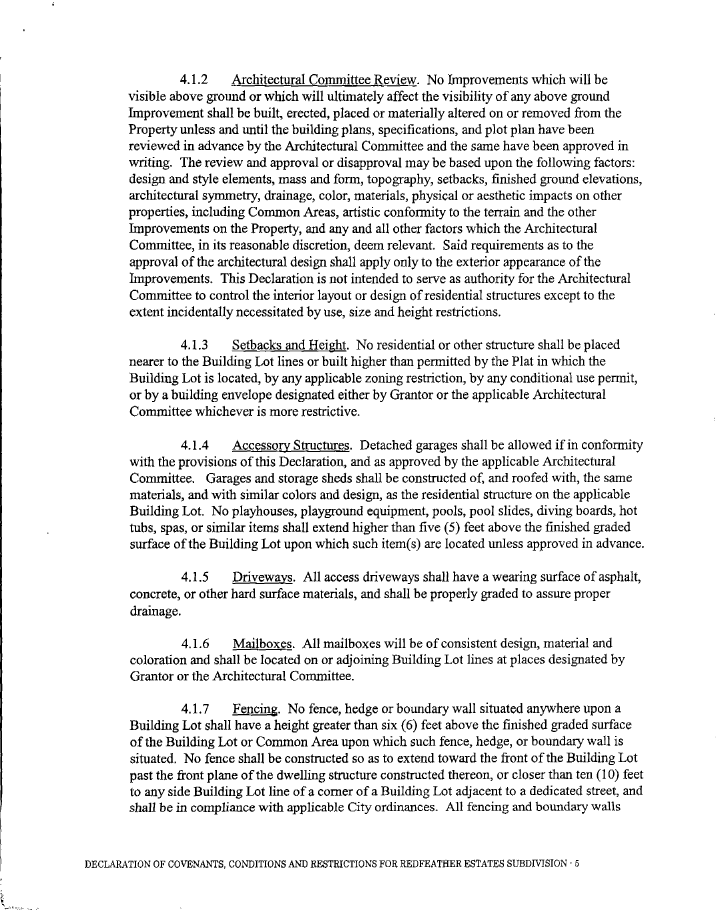
Red Feather CCR Guidelines

Quick CCR Rules

• 30-year architectural shingles required
• Black roofing unless approved otherwise
• Minimum roof pitch of 6/12
• Roofing materials must be approved by AC
• Accessory structures must match the home

Detailed Summary

The Red Feather CCRs include several guidelines that may affect roof replacements, materials, and design choices. Below is a plain-language summary of the roofing-related sections identified in the CCR document.

Roofing Material Requirements
Homes in Red Feather must use 30-year architectural shingles or better, typically in black roofing, unless another option is approved by the Architectural Committee (AC).

Roof Pitch
Homes in the neighborhood are expected to maintain a minimum roof pitch of 6/12 unless an alternative design is approved by the Architectural Committee.

Architectural Committee Approval
Roofing materials, colors, and design must be reviewed and approved by the Architectural Committee (AC) as part of the building plans and specifications for the property.

Accessory Structures
If a property includes structures such as garages or storage sheds, they must be roofed using the same roofing materials and similar colors/design as the primary home.

Developer Exemption
The original developer (Grantor) was not required to obtain Architectural Committee approval for roofing materials or design for improvements built during the development phase.

Source Pages

Disclaimer

This summary is provided as a convenience to help homeowners quickly understand roofing-related provisions within the Red Feather CCR document. CCR rules and HOA guidelines may change or be interpreted differently by the Architectural Committee. Homeowners should review the full governing documents and confirm current requirements with the HOA or Architectural Committee before beginning any roofing project.

Need help navigating your neighborhood’s roofing requirements? Our team regularly works in West Boise and can help ensure your roof replacement meets subdivision guidelines.

Info collected March 2026