

Winter in Boise has a way of sneaking up on roofs. One day it’s cold and quiet, the next there’s snow piling up, ice forming along the eaves, and water looking for a way inside. Roofs don’t usually fail all at once—they wear down slowly, quietly, until one storm pushes them past their limit.
Snow adds weight. Ice blocks drainage. Meltwater refreezes where it shouldn’t. Together, they create conditions that can damage shingles, loosen flashing, clog gutters, and lead to leaks that show up weeks later—often after the damage is already done.
The good news? Most winter roof problems are preventable with the right preparation and a little local know-how.
Key Takeaways to Remember Before Winter Hits
- Snow buildup can stress your roof structure if left unchecked
- Ice dams are one of the most common causes of winter roof leaks
- Proper insulation and ventilation matter more than most homeowners realize
- Small preventative steps now can prevent major repairs later
- Local experience makes all the difference in winter roof protection

What Is the Biggest Winter Threat to Boise Roofs?
Why Are Ice Dams Such a Common Issue?
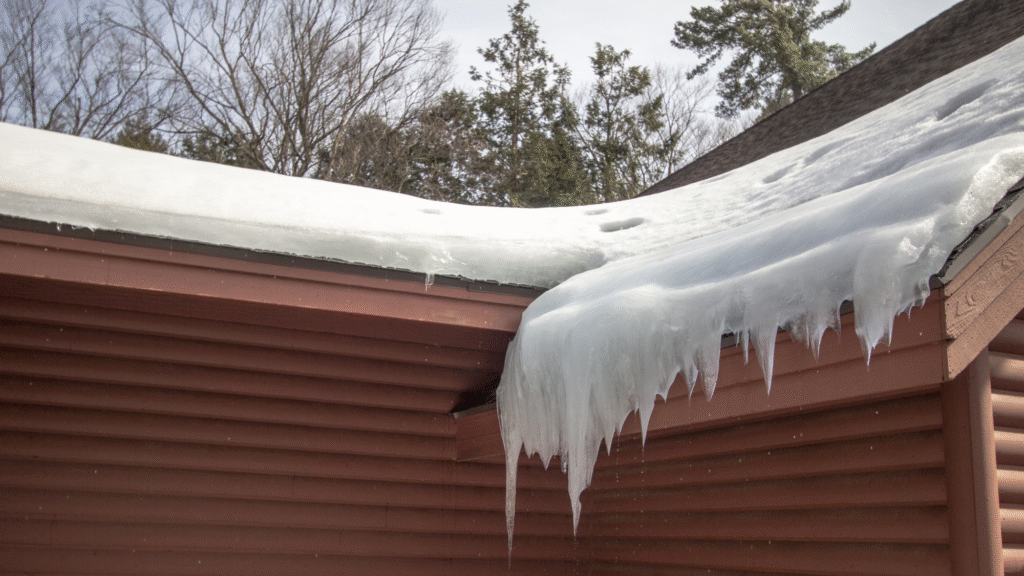
Ice dams are public enemy number one for roofs during Boise winters. They form when heat escapes through the attic, melting snow on the roof. That water runs down, refreezes near the eaves, and creates a dam that traps additional meltwater behind it.
Once that water has nowhere to go, it starts backing up under shingles and into the roof system. That’s when stains appear on ceilings, insulation gets soaked, and mold becomes a possibility.
Ice dams aren’t just about cold weather—they’re about uneven roof temperatures, and that’s something homeowners can control.
How Does Proper Insulation Protect Your Roof in Winter?
What Role Does Attic Insulation Really Play?
Think of your attic as the thermostat for your roof. When insulation is lacking or uneven, warm air escapes upward, heating the roof deck and triggering snowmelt.
Proper insulation helps keep heat where it belongs—inside your living space—so snow stays frozen until it naturally melts and drains.
Benefits of proper attic insulation include:
- Reduced risk of ice dam formation
- More consistent indoor temperatures
- Lower heating bills
- Less strain on your roof materials
Insulation isn’t glamorous, but it’s one of the most effective winter roof defenses available.
Why Is Roof Ventilation Just as Important as Insulation?
How Does Ventilation Help Prevent Ice and Moisture Damage?
Ventilation works hand-in-hand with insulation. While insulation keeps heat in, ventilation allows cold air to circulate through the attic, keeping roof temperatures even from ridge to eave.
Without proper ventilation, moisture can build up in the attic, leading to frost, mold growth, and wood rot—all of which weaken your roof long before you ever notice a leak.
Balanced intake and exhaust ventilation helps:
- Regulate attic temperatures
- Reduce condensation buildup
- Extend the life of roofing materials
- Improve overall roof performance year-round
Should You Remove Snow From Your Roof During Winter?
When Is Snow Removal Helpful—and When Is It Risky?
Snow removal can be helpful, but it has to be done carefully. Removing excess snow reduces weight stress and limits ice dam formation, especially after heavy storms.
That said, climbing onto a snowy roof is dangerous, and improper removal can damage shingles or flashing.
If snow removal is necessary:
- Use a roof rake from the ground
- Avoid metal tools that can scrape shingles
- Focus on clearing lower roof edges and valleys
- Call professionals for steep or multi-story roofs
When in doubt, safety should always come first.
How Do Gutters Affect Winter Roof Performance?
Why Are Clean Gutters Critical Before the First Snowfall?
Gutters are your roof’s exit ramps. When they’re clogged with leaves or debris, meltwater has nowhere to go—and that’s when ice buildup accelerates.
Before winter sets in, gutters should be cleared and checked for proper slope and secure attachment.
Winter-ready gutters help:
- Direct meltwater away from the roof
- Reduce ice dam formation
- Prevent fascia and soffit damage
- Protect foundations from runoff issues
A simple fall gutter cleaning can prevent a surprising amount of winter damage.
What Roofing Features Help Protect Against Snow and Ice?
Which Upgrades Offer the Best Winter Protection?
Some roofing features are designed specifically with winter in mind. If you’re replacing or upgrading your roof, these additions can make a big difference.
Helpful winter roofing features include:
- Ice and water shield along eaves and valleys
- Snow guards on metal roofing systems
- High-quality flashing around chimneys and vents
- Durable underlayment designed for freeze-thaw cycles
These aren’t flashy upgrades, but they quietly do the hard work when winter hits hardest.
How Can You Tell If Winter Has Already Damaged Your Roof?
What Warning Signs Should You Watch For Indoors and Out?
Winter roof problems don’t always announce themselves loudly. Often, the signs show up subtly.
Common warning signs include:
- Water stains on ceilings or walls
- Dripping or damp insulation in the attic
- Peeling paint near rooflines
- Icicles forming repeatedly in the same areas
If you notice these signs, it’s best to have your roof inspected before small issues turn into expensive repairs.
What Do Boise Homeowners Ask Most About Winter Roof Care?
Cold-Weather Questions, Straight Answers
Is ice dam damage covered by insurance?
Sometimes, but coverage varies. Preventative measures are always more cost-effective than filing a claim.
Can metal roofs handle snow better than shingles?
Yes. Metal sheds snow more easily, reducing buildup and ice dam risk.
Do heated cables solve ice dam problems?
They can help in problem areas, but they’re not a substitute for proper insulation and ventilation.
How often should roofs be inspected during winter?
At least once before winter and again in early spring to catch hidden damage.
Is winter a bad time for roof repairs?
Not necessarily. Many repairs can be safely completed during winter when conditions allow.
How Can You Prepare Your Roof Before Boise’s Next Snowstorm?
Simple Steps That Make a Big Difference
Winter roof protection isn’t about overthinking—it’s about preparation. A professional inspection, proper insulation, clean gutters, and smart upgrades all work together to keep your home dry and warm.
Addressing small vulnerabilities now helps your roof handle whatever winter decides to throw at it.
Ready to Protect Your Roof Before Winter Hits Hard?
Keeping the Weather Outside Where It Belongs
Boise winters are predictable in one way—they test every roof eventually. The difference between a roof that weathers the season and one that fails often comes down to preparation and professional care.
If you want peace of mind this winter, Superior Roofing Plus is here to help. Serving Boise, ID, our team understands local weather patterns and knows how to protect roofs against snow, ice, and long-term damage.
Contact Superior Roofing Plus today to schedule a winter readiness inspection and make sure your roof is ready to do its job when the temperature drops.


