How Long Do Roofs Really Last? Lifespan Estimates By Material

When you’re investing in a new roof, the first question on your mind is probably, “How long will it last?” At Superior Roofing, we believe every homeowner deserves clear answers about the lifespan of their roofing system. After all, your roof isn’t just shingles or panels—it’s your first line of defense against Idaho’s snow, rain, wind, and summer heat.

The truth is, not all roofs are created equal. Different materials come with different life expectancies, care requirements, and costs. Knowing the differences can help you make a smart decision for your home and budget. Let’s break it down.

Asphalt Roofing

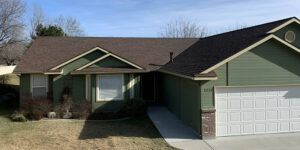
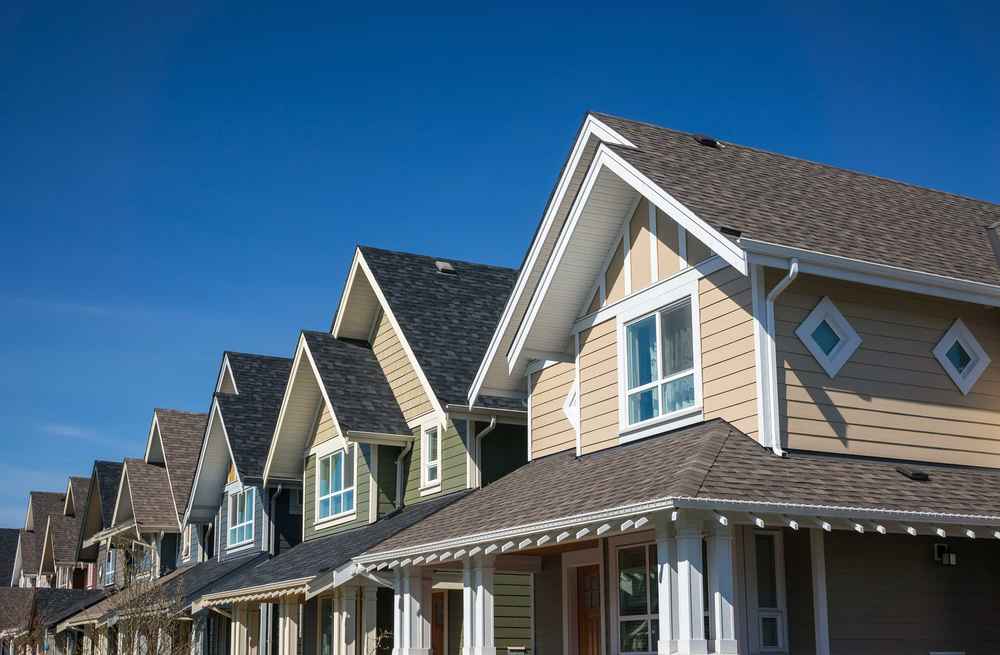
Asphalt shingles are one of the most popular choices for Boise homeowners, and it’s easy to see why. They’re affordable, widely available, and offer reliable protection for years.

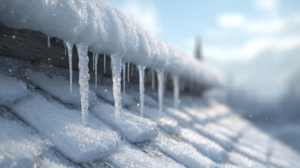
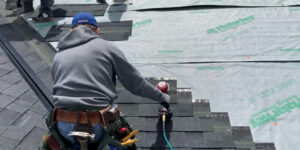
Most asphalt shingle roofs last between 15 and 25 years, depending on the quality of the shingles and how well they’re maintained. Premium architectural shingles may push closer to 30 years, but Idaho’s heavy snow and temperature swings can shorten that lifespan if your roof isn’t regularly inspected.

If you want the best value from asphalt, we recommend scheduling annual checkups and tackling repairs early. A little maintenance goes a long way in extending your roof’s performance.

Metal Roofing

Metal roofing has gained a strong reputation for its durability and energy efficiency. While the upfront cost is higher than asphalt, many homeowners see it as a worthwhile investment because of its long lifespan.

A properly installed metal roof can last 40 to 70 years. It resists fire, sheds snow easily (a big plus in Boise winters), and requires minimal maintenance compared to other materials.

If you’re planning to stay in your home for decades or simply want the peace of mind that comes with low upkeep, metal roofing may be your best option.

Cedar Roofing

There’s no denying that cedar shake roofs are stunning. They bring a warm, timeless look that few materials can match. But beauty comes with responsibility.

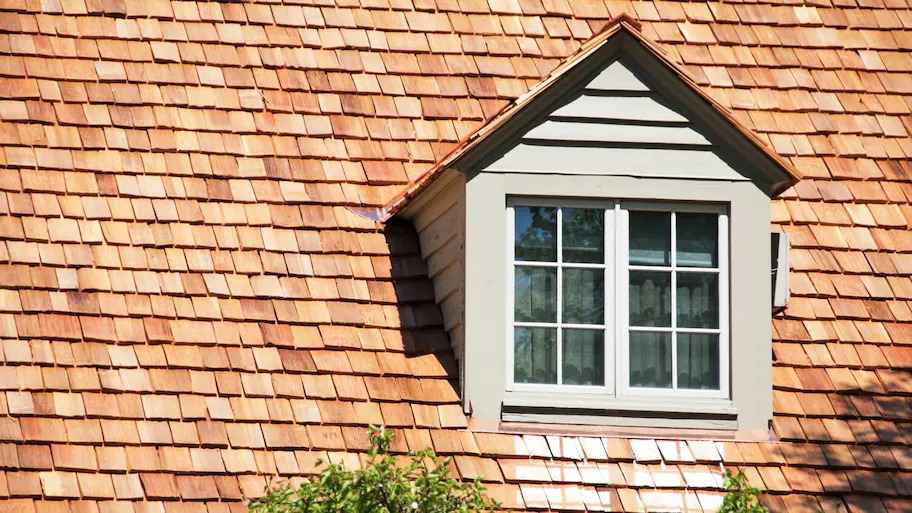
On average, cedar shake roofs last 20 to 30 years, though with excellent care, some push closer to 40. The key is maintenance: cedar is more vulnerable to moisture, moss, and pests. Regular treatments and inspections are non-negotiable if you want to keep your roof performing at its best.

For homeowners who love the rustic charm of natural wood and don’t mind the upkeep, cedar offers a look that’s truly unmatched.

Slate Roofing

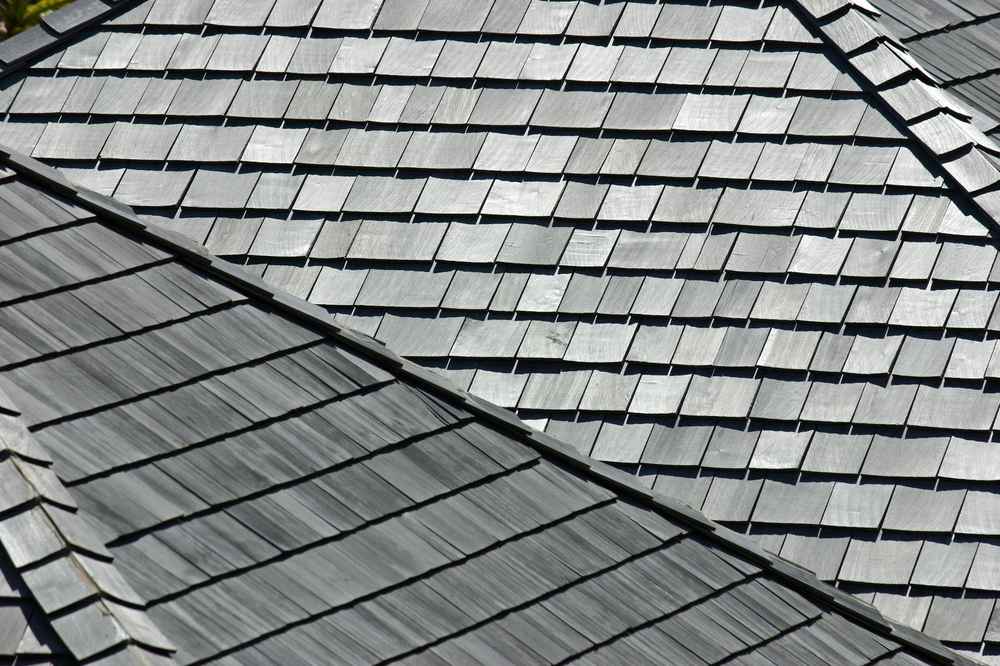
When it comes to longevity, slate roofs are in a league of their own. Known as one of the most durable roofing materials available, slate can last 75 to 100 years—or more. In fact, many historic buildings still have their original slate roofs intact.

While slate is more expensive and heavier than other materials (requiring specialized installation), it’s nearly indestructible once in place. If you’re looking for a “forever roof” and are prepared for the investment, slate is the gold standard.

Roofing Lifespans at a Glance

Here’s a quick comparison to help you see how each material stacks up:

  • Asphalt Shingles: 15–25 years (budget-friendly, practical)
  • Metal Roofing: 40–70 years (durable, low-maintenance)
  • Cedar Shakes: 20–30 years (natural beauty, higher upkeep)
  • Slate Roofing: 75–100+ years (longest-lasting, premium choice)

The Bottom Line

So, how long does a roof really last? The answer depends on the material you choose, the quality of installation, and how well you care for it over the years. At Superior Roofing, we take pride in helping Boise homeowners choose the right roofing system for their lifestyle, budget, and long-term goals.

Whether you’re leaning toward affordable asphalt, durable metal, charming cedar, or timeless slate, our expert team is here to guide you every step of the way.

Ready to invest in a roof that lasts? Contact Superior Roofing in Boise, ID today for expert roofing services you can count on.

Recent Blogs

Red Feather CCR Guidelines

Quick CCR Rules

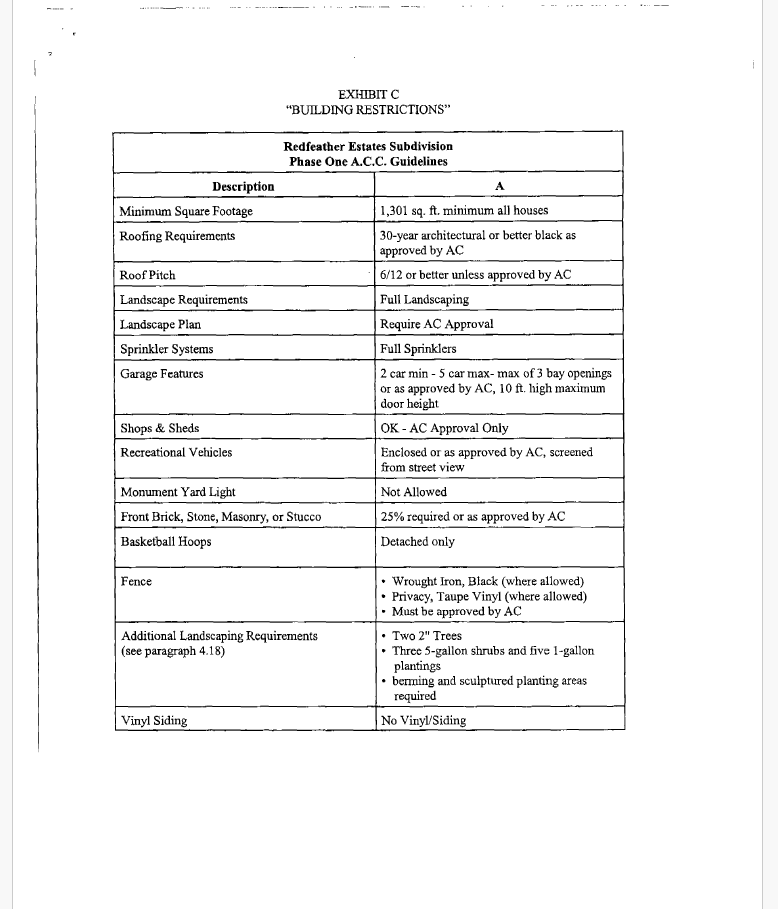
• 30-year architectural shingles required
• Black roofing unless approved otherwise
• Minimum roof pitch of 6/12
• Roofing materials must be approved by AC
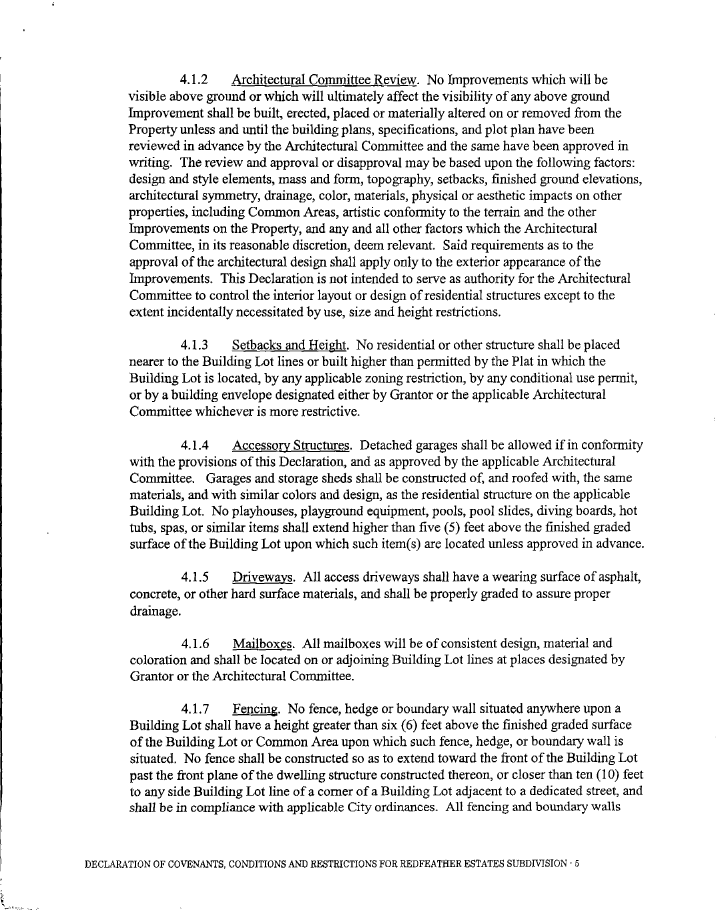
• Accessory structures must match the home

Detailed Summary

The Red Feather CCRs include several guidelines that may affect roof replacements, materials, and design choices. Below is a plain-language summary of the roofing-related sections identified in the CCR document.

Roofing Material Requirements
Homes in Red Feather must use 30-year architectural shingles or better, typically in black roofing, unless another option is approved by the Architectural Committee (AC).

Roof Pitch
Homes in the neighborhood are expected to maintain a minimum roof pitch of 6/12 unless an alternative design is approved by the Architectural Committee.

Architectural Committee Approval
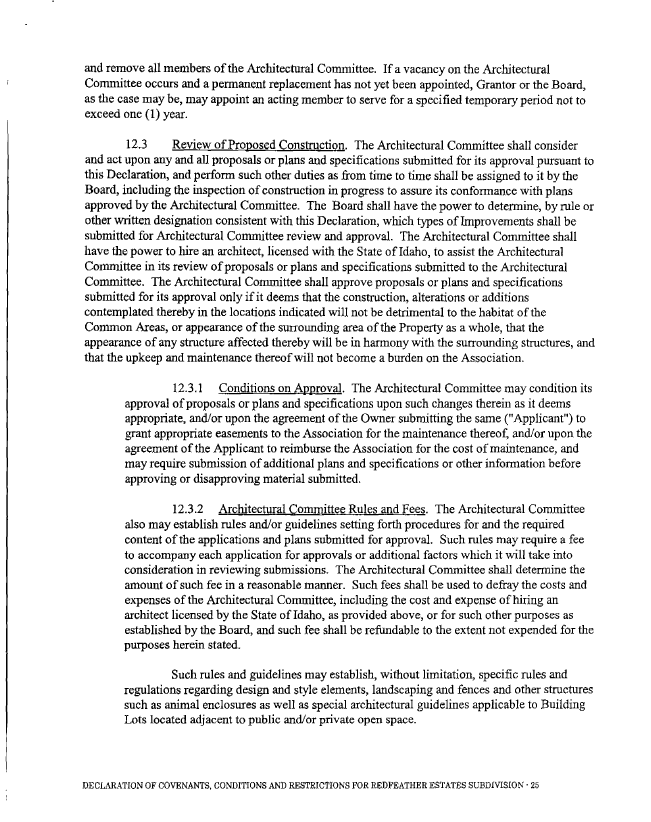
Roofing materials, colors, and design must be reviewed and approved by the Architectural Committee (AC) as part of the building plans and specifications for the property.

Accessory Structures
If a property includes structures such as garages or storage sheds, they must be roofed using the same roofing materials and similar colors/design as the primary home.

Developer Exemption
The original developer (Grantor) was not required to obtain Architectural Committee approval for roofing materials or design for improvements built during the development phase.

Source Pages

Disclaimer

This summary is provided as a convenience to help homeowners quickly understand roofing-related provisions within the Red Feather CCR document. CCR rules and HOA guidelines may change or be interpreted differently by the Architectural Committee. Homeowners should review the full governing documents and confirm current requirements with the HOA or Architectural Committee before beginning any roofing project.

Need help navigating your neighborhood’s roofing requirements? Our team regularly works in West Boise and can help ensure your roof replacement meets subdivision guidelines.

Info collected March 2026