
5 Common Reasons Asphalt Shingles Fail Early (And How We Can Help)

When you choose asphalt shingles for your home, you expect them to last their full lifespan—typically 15 to 25 years. But sometimes, shingles wear out sooner than expected, leaving homeowners dealing with leaks, costly repairs, and plenty of frustration. At Superior Roofing, we know how frustrating it can be to feel like your investment didn’t hold up. The good news? Most premature roof problems are preventable with the right care and attention.

Here are the top five reasons asphalt shingles fail too soon—and what you can do to protect your roof.

1. Poor Installation

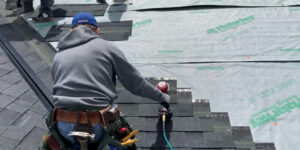
Even the best shingles won’t perform if they’re installed incorrectly. Misaligned rows, improper nailing, or failing to account for Boise’s seasonal weather can leave your roof vulnerable from the start. Unfortunately, poor workmanship is one of the biggest reasons shingles fail early.

What to do: Always work with a certified roofing company you can trust (like us!). At Superior Roofing, our team takes time to ensure every shingle is nailed properly, sealed securely, and aligned for maximum durability.

Here are the top five reasons asphalt shingles fail too soon—and what you can do to protect your roof.

2. Harsh Weather Damage

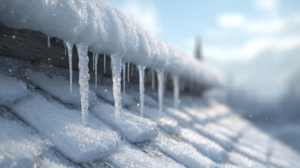
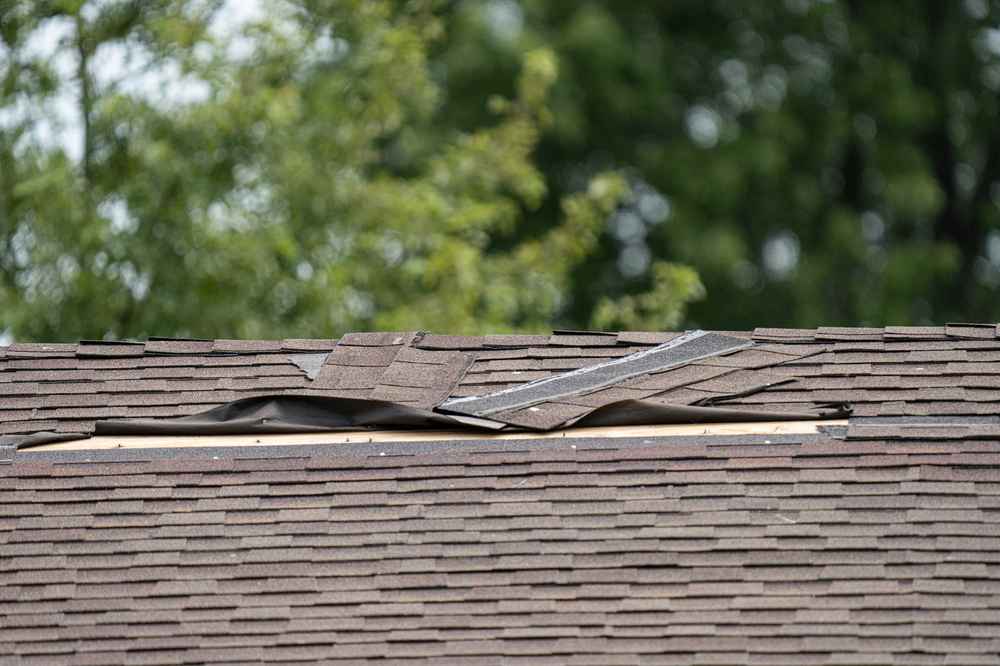
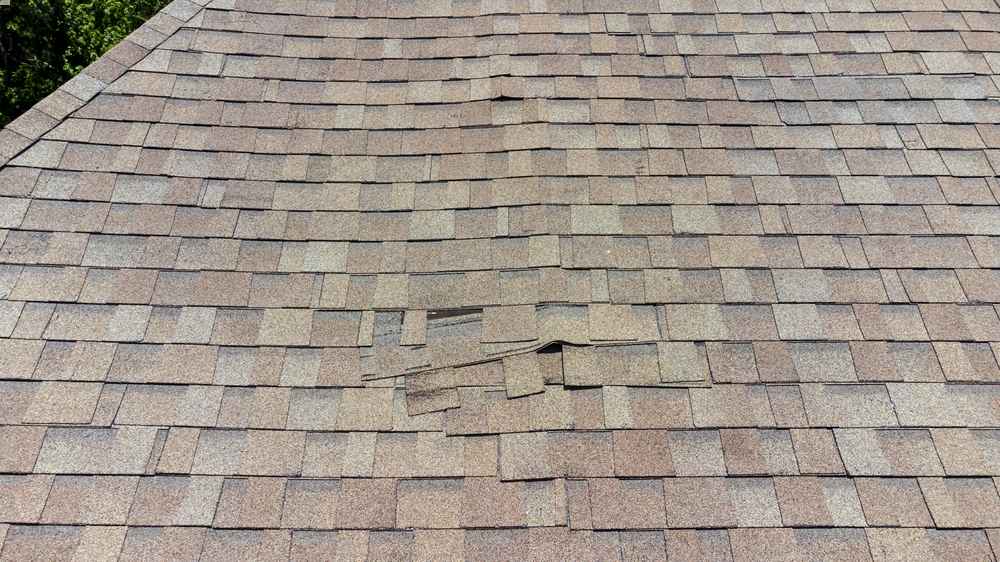
Asphalt shingles can handle a lot, but constant exposure to wind, rain, snow, and intense summer sun will wear them down faster. Here in Boise, we see a wide range of weather conditions that can cause curling, cracking, or granule loss years ahead of schedule.

What to do: Schedule regular inspections—especially after storms. Catching damage early means repairs are quicker, less expensive, and far more effective than waiting until water leaks inside.

3. Inadequate Ventilation

Your roof’s performance depends on more than just shingles. Proper attic ventilation is essential for preventing heat and moisture buildup, which can shorten the lifespan of your roof. Without enough airflow, shingles may warp, blister, or fail prematurely.

What to do: Have a professional check your attic ventilation. At Superior Roofing, we don’t just replace shingles—we look at the entire roofing system to make sure everything works together for long-term protection.

4. Poor Maintenance Habits

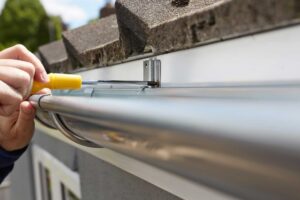
It’s easy to forget about your roof until a problem pops up. But like any major system in your home, it needs routine care. Letting debris, moss, or clogged gutters linger can lead to water pooling and unnecessary shingle damage.

Here are a few habits that make a big difference:

  • Clear leaves and branches from your roof and gutters regularly
  • Trim back overhanging trees that drop debris or scrape shingles
  • Watch for moss or algae growth, especially in shaded areas
  • Schedule professional inspections at least once a year

What to do: Stay proactive. Regular maintenance not only extends the life of your shingles but also helps you budget for eventual replacement before emergencies arise.

5. Low-Quality Materials

Not all shingles are created equal. Cheaper materials might look fine at first, but they often can’t withstand Boise’s seasonal extremes. Over time, they may fade, crack, or lose granules much faster than higher-quality products.

What to do: When it’s time for a replacement, invest in trusted shingle brands backed by strong warranties. At Superior Roofing, we only use materials we’d trust on our own homes, giving you peace of mind that your investment will last.

Don’t Let Your Roof Wear Out Before Its Time

Premature shingle failure is frustrating, but it doesn’t have to happen to you. By choosing quality materials, working with skilled roofers, and keeping up with inspections, your roof can deliver the performance and protection you paid for.

At Superior Roofing, we’re committed to helping Boise homeowners get the most out of their roofs. From expert installations to thorough maintenance, we’re here to make sure your shingles live up to their full potential.

Worried your asphalt shingles are failing too soon? Contact Superior Roofing in Boise, ID today for professional inspections, repairs, and replacements you can count on.

Recent Blogs

Red Feather CCR Guidelines

Quick CCR Rules

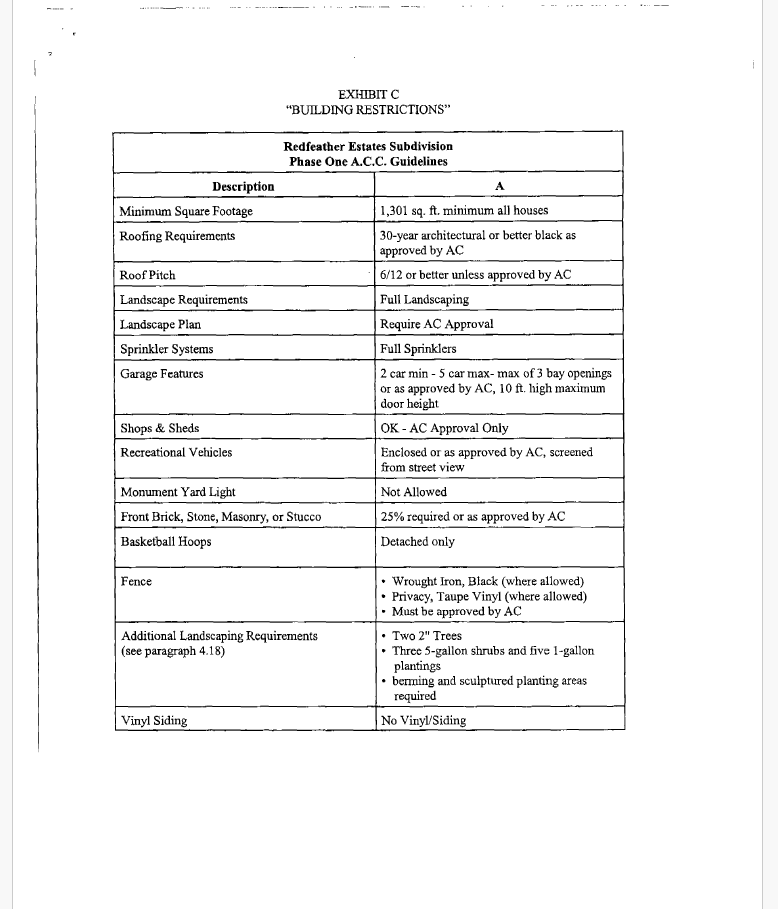
• 30-year architectural shingles required
• Black roofing unless approved otherwise
• Minimum roof pitch of 6/12
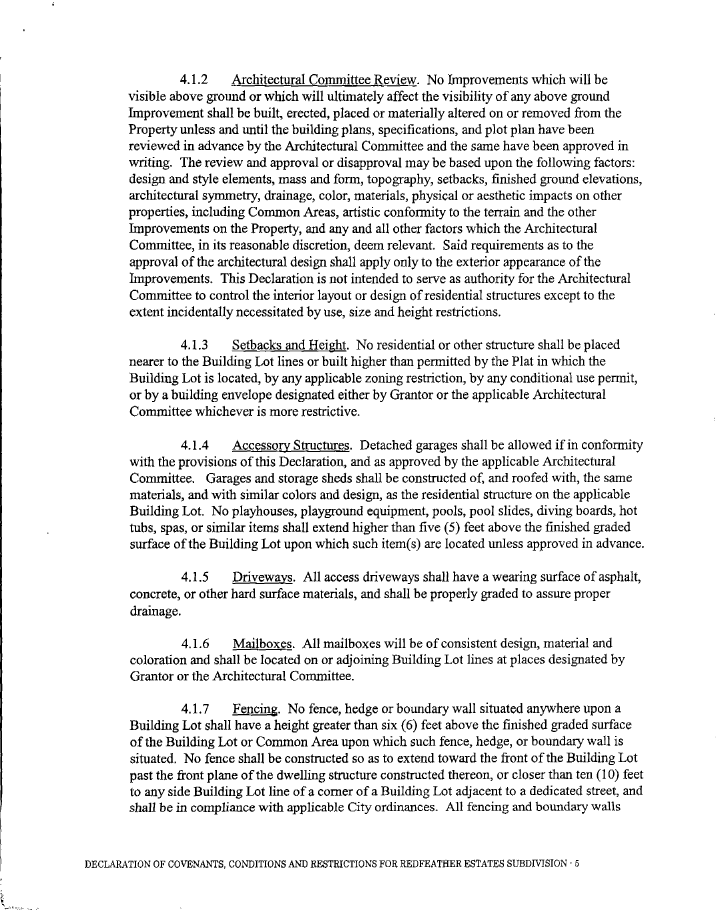
• Roofing materials must be approved by AC
• Accessory structures must match the home

Detailed Summary

The Red Feather CCRs include several guidelines that may affect roof replacements, materials, and design choices. Below is a plain-language summary of the roofing-related sections identified in the CCR document.

Roofing Material Requirements
Homes in Red Feather must use 30-year architectural shingles or better, typically in black roofing, unless another option is approved by the Architectural Committee (AC).

Roof Pitch
Homes in the neighborhood are expected to maintain a minimum roof pitch of 6/12 unless an alternative design is approved by the Architectural Committee.

Architectural Committee Approval
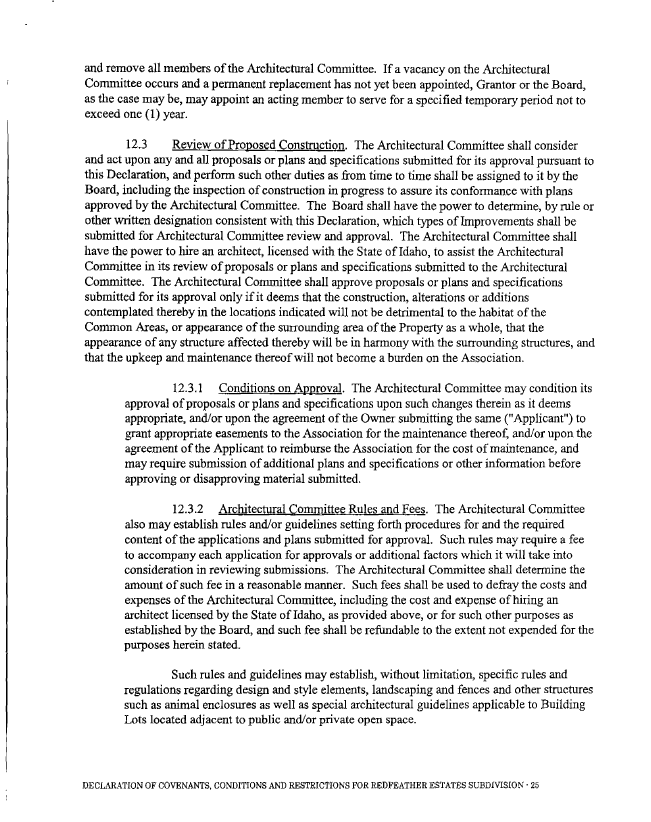
Roofing materials, colors, and design must be reviewed and approved by the Architectural Committee (AC) as part of the building plans and specifications for the property.

Accessory Structures
If a property includes structures such as garages or storage sheds, they must be roofed using the same roofing materials and similar colors/design as the primary home.

Developer Exemption
The original developer (Grantor) was not required to obtain Architectural Committee approval for roofing materials or design for improvements built during the development phase.

Source Pages

Disclaimer

This summary is provided as a convenience to help homeowners quickly understand roofing-related provisions within the Red Feather CCR document. CCR rules and HOA guidelines may change or be interpreted differently by the Architectural Committee. Homeowners should review the full governing documents and confirm current requirements with the HOA or Architectural Committee before beginning any roofing project.

Need help navigating your neighborhood’s roofing requirements? Our team regularly works in West Boise and can help ensure your roof replacement meets subdivision guidelines.

Info collected March 2026