How to Choose the Best Commercial Roofing System for Your Building

When it comes to protecting your commercial property, the roof plays a pivotal role. With so many commercial roofing options available, finding the right fit can feel overwhelming—but it doesn’t have to be. Whether you’re constructing a new building or replacing an old roof, understanding the best commercial roofing systems and how they align with your needs can save you time, money, and stress. Let’s explore the most popular commercial roof types and help you make an informed decision.

Understanding Your Commercial Roofing Options

The right commercial roof isn’t just about aesthetics—it’s about durability, energy efficiency, cost-effectiveness, and protection from the elements. Each roofing system offers unique benefits, but selecting the ideal one depends on your building’s purpose, location, climate, and budget. Here’s a breakdown of four common commercial roofing solutions to help you weigh your options.

EPDM Roofing

Ethylene Propylene Diene Monomer (EPDM) roofing, often called “rubber roofing,” is one of the most affordable and durable commercial roofing solutions. Its lightweight design makes it easy to install, and its superior resistance to UV radiation and weather damage ensures long-lasting performance. 

EPDM roofs are also highly flexible, which helps them withstand extreme temperature fluctuations—a critical advantage for buildings in areas with harsh weather conditions. On the downside, while EPDM roofs are known for their durability, they may require regular maintenance to prevent seam or puncture issues. 

TPO Roofing

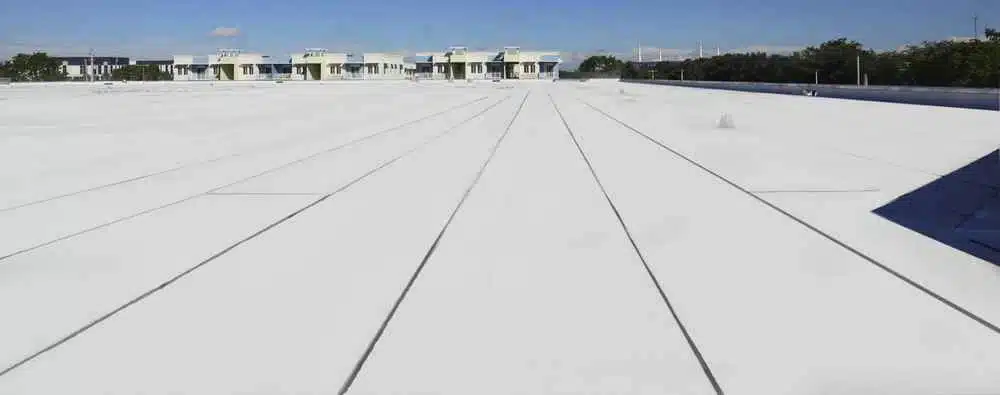
Thermoplastic Polyolefin (TPO) has quickly become one of the best commercial roofing systems for environmentally conscious businesses. This highly reflective material improves energy efficiency by reducing heat absorption, which can lower cooling costs in warm climates. 

TPO is a single-ply membrane roofing option that is resistant to punctures, chemicals, and UV exposure. Its sleek white finish complements modern building designs, but it’s important to note that proper installation is key. Working with an experienced contractor ensures you avoid common issues like seam failures down the line. 

Metal Roofing

If longevity and style are your priorities, metal roofing is a fantastic choice. Known for their lifespan of 40-70 years, metal roofs provide exceptional strength and reliability. They come in various styles and finishes, offering both modern and traditional aesthetics to suit your building’s design. 

Metal roofing is fire-resistant and capable of withstanding extreme weather conditions, making it ideal for areas prone to heavy rain or snow. However, metal roofs can be louder during storms and may have higher upfront costs compared to other commercial roof types. Still, the investment often pays off in the long run due to minimal maintenance costs and extended durability.

Asphalt Roofing

For businesses seeking a practical and cost-effective solution, asphalt roofing offers a balance of affordability and dependability. This traditional material is versatile and works well for various commercial property styles. Asphalt roofs are easy to install and maintain, making them a go-to option for many businesses. 

However, asphalt roofing may not last as long as EPDM, TPO, or metal options and tends to require more frequent repairs. Despite this, its price point and availability make it one of the most common commercial roofing solutions in the market today. 

Which Commercial Roof Is Right for You?

Choosing a commercial roof ultimately boils down to your priorities. Are you aiming for energy efficiency? TPO might be your best bet. Do you need something long-lasting and stylish? Metal roofing could be the perfect fit. Whether it’s cost, durability, or design, identifying what matters most to you and your business can help guide your decision. 

Don’t forget to consider your building’s location and environmental factors. A roof that works well in Boise’s fluctuating weather may not perform as effectively in more humid or coastal regions. Always consult with a professional when narrowing down your commercial roofing options.

Don’t Leave Your Roof to Chance!

Navigating the world of commercial roofing doesn’t have to feel daunting when you have the right team by your side. Superior Roofing Plus has been providing top-tier commercial and residential roofing services in Boise, helping businesses find roofing solutions that last. 

Whether you’re unsure about your options or ready to install the roof of your dreams, our team of experts is here to guide you every step of the way. Contact Superior Roofing Plus today to explore the best commercial roofing systems for your building—we’ll help you protect what matters most. 

Recent Blogs

Red Feather CCR Guidelines

Quick CCR Rules

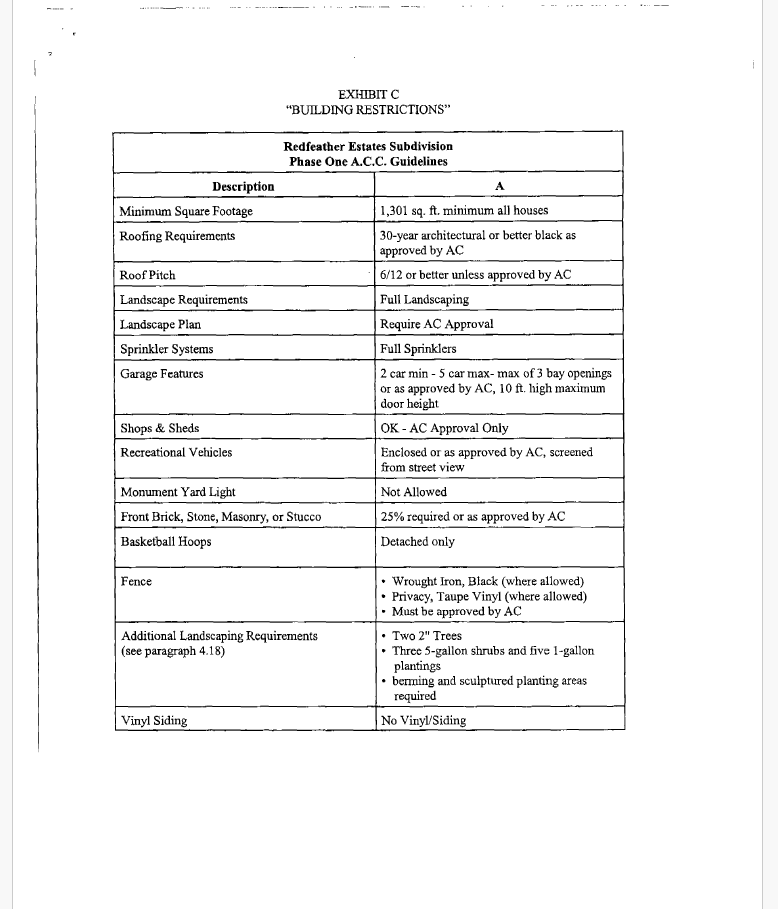
• 30-year architectural shingles required
• Black roofing unless approved otherwise
• Minimum roof pitch of 6/12
• Roofing materials must be approved by AC
• Accessory structures must match the home

Detailed Summary

The Red Feather CCRs include several guidelines that may affect roof replacements, materials, and design choices. Below is a plain-language summary of the roofing-related sections identified in the CCR document.

Roofing Material Requirements
Homes in Red Feather must use 30-year architectural shingles or better, typically in black roofing, unless another option is approved by the Architectural Committee (AC).

Roof Pitch
Homes in the neighborhood are expected to maintain a minimum roof pitch of 6/12 unless an alternative design is approved by the Architectural Committee.

Architectural Committee Approval
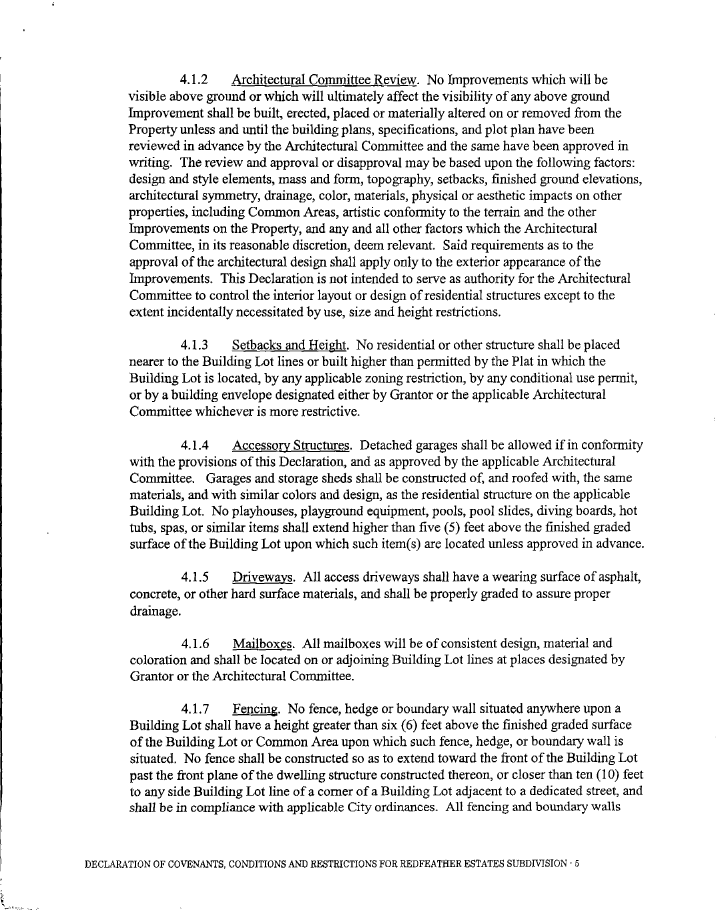
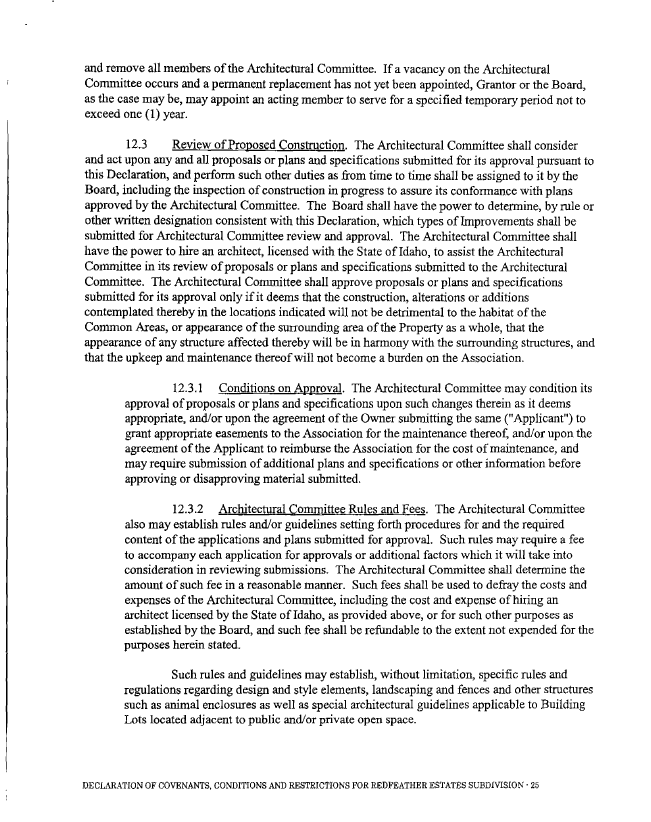
Roofing materials, colors, and design must be reviewed and approved by the Architectural Committee (AC) as part of the building plans and specifications for the property.

Accessory Structures
If a property includes structures such as garages or storage sheds, they must be roofed using the same roofing materials and similar colors/design as the primary home.

Developer Exemption
The original developer (Grantor) was not required to obtain Architectural Committee approval for roofing materials or design for improvements built during the development phase.

Source Pages

Disclaimer

This summary is provided as a convenience to help homeowners quickly understand roofing-related provisions within the Red Feather CCR document. CCR rules and HOA guidelines may change or be interpreted differently by the Architectural Committee. Homeowners should review the full governing documents and confirm current requirements with the HOA or Architectural Committee before beginning any roofing project.

Need help navigating your neighborhood’s roofing requirements? Our team regularly works in West Boise and can help ensure your roof replacement meets subdivision guidelines.

Info collected March 2026