The Ultimate Guide to Roof Flashing: What Homeowners Need to Know

Did you know that one of the most common causes of roof leaks is faulty flashing? It’s a small but essential part of your roof that protects against water damage. Without proper installation and maintenance, flashing can deteriorate, leading to costly repairs. If you’re wondering how to keep your roof in top condition, this article will cover what to know about roof flashing and why it’s so important. You also need a roofing company you can count on—Superior Roofing Plus, serving homeowners in Boise and the surrounding areas.

In this comprehensive guide to roof flashing, we’ll cover everything you need to know about this critical roofing component. From its purpose and types to common issues and professional solutions, you’ll learn how to protect your home, especially in Idaho’s unpredictable weather.

What Is Roof Flashing and Why Does It Matter?

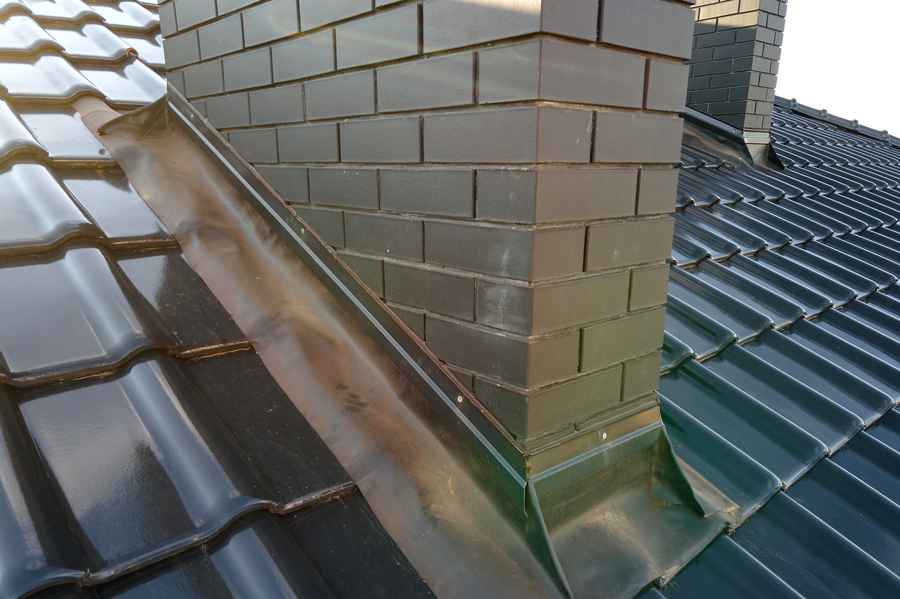
Flashing is a thin, weather-resistant material installed in areas of your roof that are most prone to water penetration. It acts as a barrier, directing water away from vulnerable spots and ensuring moisture doesn’t seep into your home’s structure.

Common areas where roof flashing is essential include:

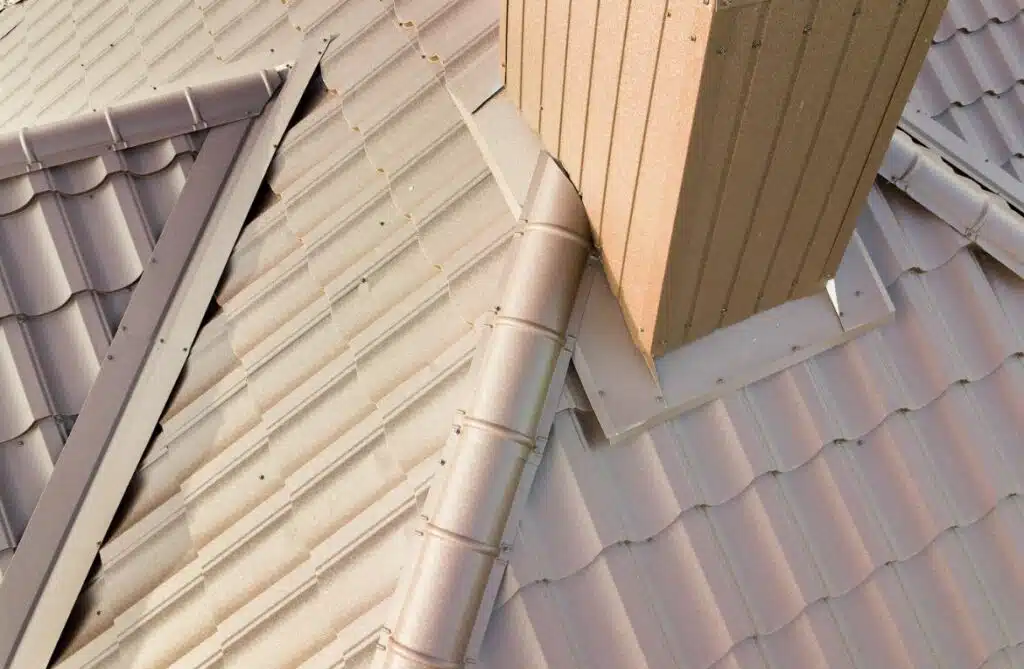
  • Chimneys – Without flashing, water can seep into masonry and roofing materials.
  • Skylights – Flashing prevents leaks around skylight edges.
  • Roof Valleys – Water naturally collects in valleys, making them a high-risk area.
  • Vents & Pipes – Any penetration in the roof must be sealed with flashing to prevent leaks.
  • Eaves & Edges – Flashing along the edges stops water from backing up under shingles.

Types of Roof Flashing

Because of seasonal weather shifts in Boise, different areas of your roof require specific flashing types to handle temperature changes, wind, and precipitation.

Step Flashing

Commonly used where a sloped roof meets a wall, step flashing consists of small overlapping metal pieces that direct water away from the intersection.

Counter Flashing

Often paired with step flashing, counter flashing is installed over the top to provide extra protection, especially around chimneys.

Drip Edge Flashing

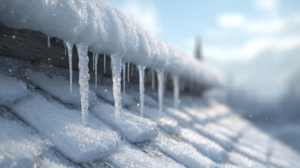
This type of flashing is installed along roof edges to prevent water from seeping under shingles. In areas like Boise, where ice dams can form in winter, drip edge flashing helps prevent moisture buildup that could lead to roof rot.

Valley Flashing

Since valleys collect water runoff, metal valley flashing is crucial in preventing pooling and directing water toward gutters.

Vent Pipe Flashing

Roof vents and pipes need flashing to create a watertight seal. This is especially important during heavy rains or snowmelt in Idaho.

Types of Roof Flashing

Because of seasonal weather shifts in Boise, different areas of your roof require specific flashing types to handle temperature changes, wind, and precipitation.

Water Stains on Ceilings or Walls

Dark spots or stains inside your home could mean water is seeping through faulty flashing.

Rust or Corrosion

Metal flashing can rust due to moisture exposure. If you notice rust, it may be time for a professional inspection.

Loose or Missing Flashing

High winds are common in the Boise area and can loosen or tear away flashing, leaving your roof exposed to leaks.

Mold or Mildew Growth

Excess moisture due to improper flashing can create the perfect conditions for mold, which can lead to structural damage and health concerns.

If you notice any of these issues, contacting a local expert for an inspection is the best course of action.

Why Professional Installation Matters

Many homeowners don’t think about roof flashing until a leak occurs, but by then, the damage is already done. While DIY flashing repairs might seem like a cost-saving option, improper installation can cause long-term damage, especially in Idaho’s varying climate.

Benefits of Professional Flashing Installation

  • Proper Material Selection – A professional will choose flashing materials suited for Boise’s climate.
  • Correct Placement & Sealing – Flashing must be precisely installed to prevent future leaks.
  • Preventing Costly Repairs – Properly installed flashing helps avoid expensive water damage.

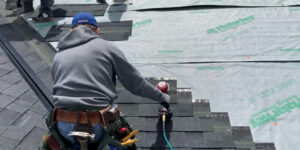
Superior Roofing Plus has years of experience handling flashing repairs and installations in Boise, ensuring homes stay protected year-round.

Roof Flashing Maintenance: What to Know

Regular maintenance can extend the lifespan of your roof flashing and help prevent unexpected leaks.

How Often Should Flashing Be Inspected?

  • Homeowners should schedule roof inspections at least twice a year—once in the spring and again in the fall. After severe windstorms or heavy snowfall, additional inspections may be necessary.

Tips for Maintaining Roof Flashing

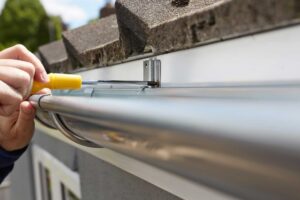
  • Keep Gutters Clean – Clogged gutters can cause water to back up under flashing.
  • Check for Loose Nails or Sealant Cracks – Seasonal temperature fluctuations can loosen flashing materials.
  • Trim Overhanging Branches – Falling debris can damage flashing and create entry points for water.

If you’re unsure about your flashing’s condition, scheduling a professional inspection can help identify potential problems before they escalate.

Choosing the Right Roofing Contractor for Flashing Repairs

Not all roofing companies have the expertise needed for flashing repairs. Choosing an experienced contractor ensures proper installation and long-term durability.

What to Look for in a Roofing Contractor

  • Experience & Certifications – Choose a contractor with experience in Boise’s climate.
  • Customer Reviews – Check testimonials from homeowners in the area.
  • Quality Materials – Ensure they use high-quality flashing materials suited for local weather.
  • Workmanship Warranties – A reputable company will back their work with warranties.

Superior Roofing Plus has built a strong reputation in the Boise area for reliable service and expert craftsmanship.

Recent Blogs

Red Feather CCR Guidelines

Quick CCR Rules

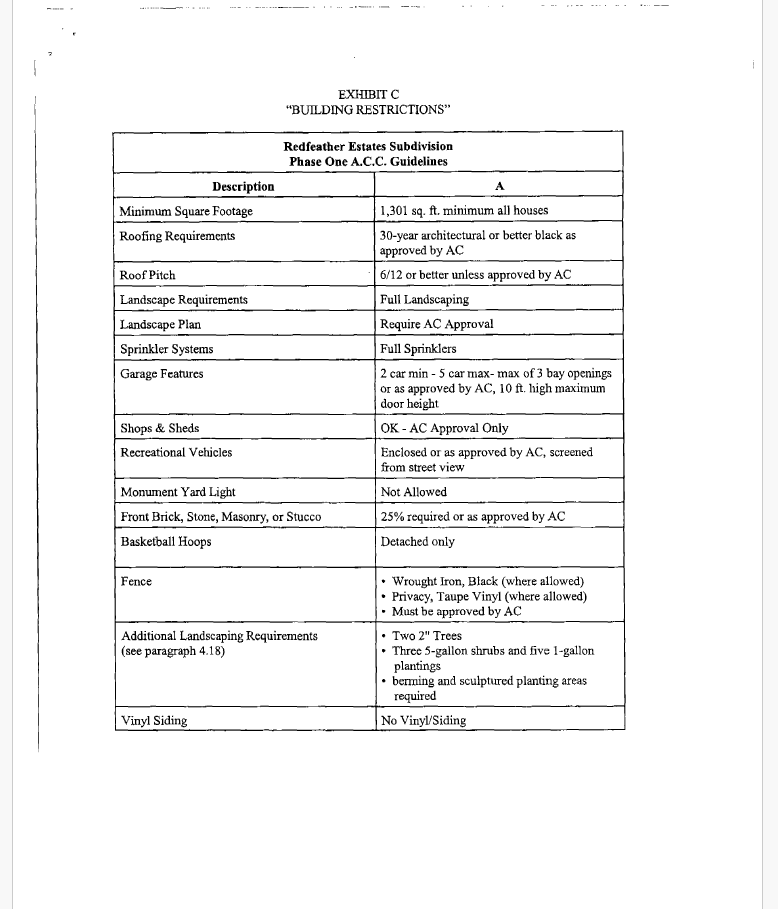
• 30-year architectural shingles required
• Black roofing unless approved otherwise
• Minimum roof pitch of 6/12
• Roofing materials must be approved by AC
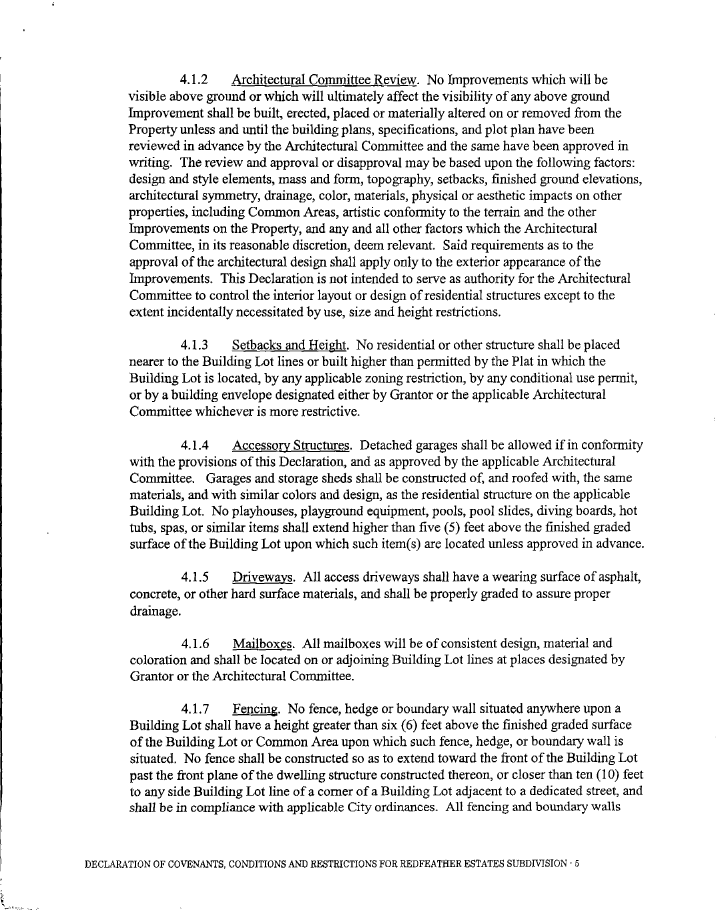
• Accessory structures must match the home

Detailed Summary

The Red Feather CCRs include several guidelines that may affect roof replacements, materials, and design choices. Below is a plain-language summary of the roofing-related sections identified in the CCR document.

Roofing Material Requirements
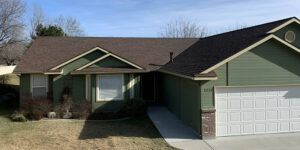
Homes in Red Feather must use 30-year architectural shingles or better, typically in black roofing, unless another option is approved by the Architectural Committee (AC).

Roof Pitch
Homes in the neighborhood are expected to maintain a minimum roof pitch of 6/12 unless an alternative design is approved by the Architectural Committee.

Architectural Committee Approval
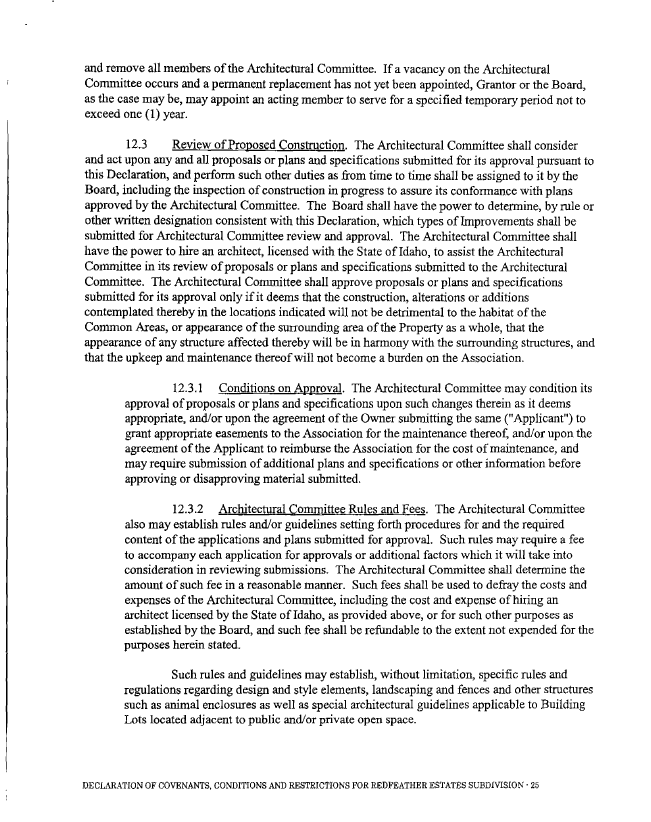
Roofing materials, colors, and design must be reviewed and approved by the Architectural Committee (AC) as part of the building plans and specifications for the property.

Accessory Structures
If a property includes structures such as garages or storage sheds, they must be roofed using the same roofing materials and similar colors/design as the primary home.

Developer Exemption
The original developer (Grantor) was not required to obtain Architectural Committee approval for roofing materials or design for improvements built during the development phase.

Source Pages

Disclaimer

This summary is provided as a convenience to help homeowners quickly understand roofing-related provisions within the Red Feather CCR document. CCR rules and HOA guidelines may change or be interpreted differently by the Architectural Committee. Homeowners should review the full governing documents and confirm current requirements with the HOA or Architectural Committee before beginning any roofing project.

Need help navigating your neighborhood’s roofing requirements? Our team regularly works in West Boise and can help ensure your roof replacement meets subdivision guidelines.

Info collected March 2026