Boise Neighborhood CCR Guide: What Homeowners Should Know + Projects We’ve Completed

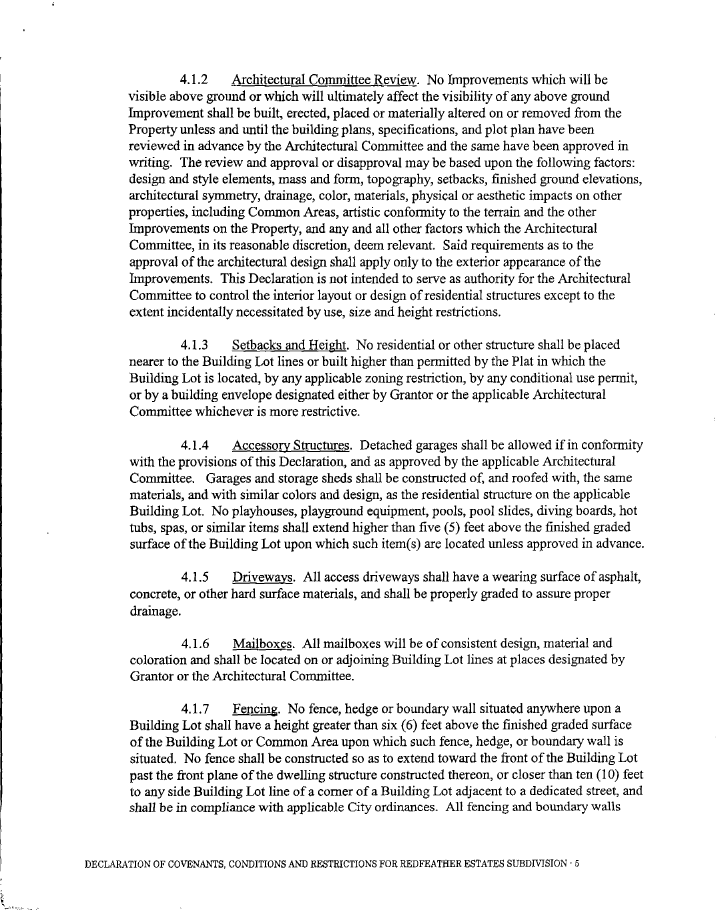
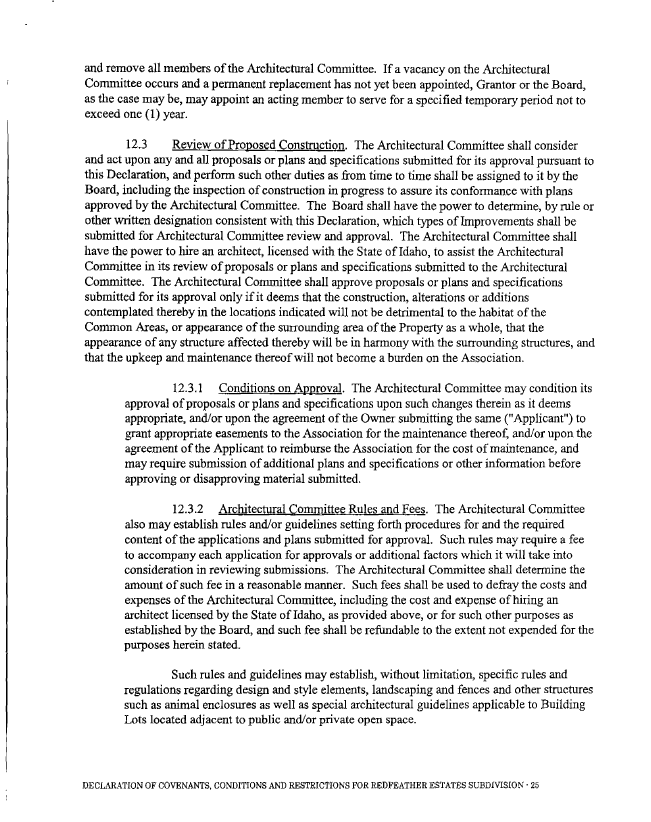
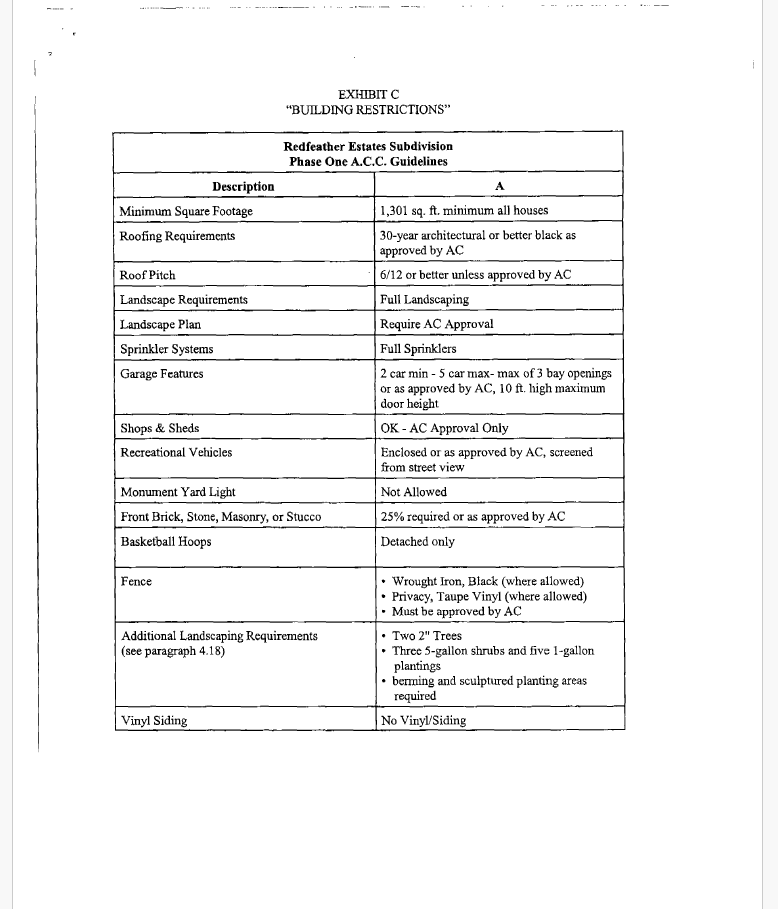
Select your neighborhood below to view completed projects, roof replacement examples, and subdivision-specific information, including CCR guidelines and HOA requirements that may impact roofing materials, colors, or installation standards. If we’ve completed multiple projects in your area, you’ll find a dedicated neighborhood page with more photos, details, and helpful local information.
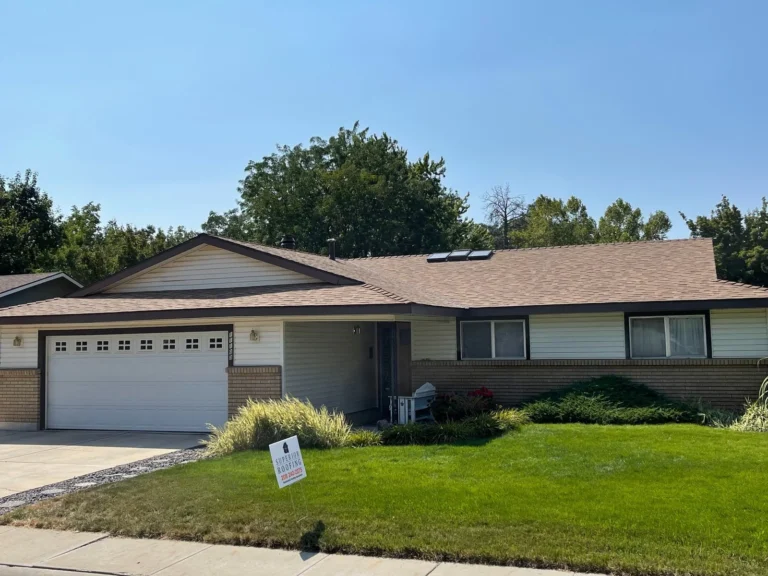
See real roof projects completed near your neighborhood
(photos + short project notes)
• Access subdivision CCR guidelines and HOA information that may impact roofing materials or installation requirements
• Learn common Boise roof issues such as wind damage, sun wear, ventilation problems, and flashing leaks
• Compare roofing material options (architectural shingles vs metal) and what works best for homes in your area
• Request a free roof inspection from a local contractor familiar with your neighborhood
Start Here: Boise Neighborhoods We Work In Most Often
West Boise
A mix of mid-age and newer homes. We commonly see wind-lifted shingles, aging flashing, and ventilation issues. View completed projects in West Boise.
West Bench
Mature trees and seasonal debris contribute to wear and drainage concerns. We’ve completed both repairs and full replacements in this area.
Maple Grove – Franklin
Higher visibility and wind exposure near major corridors. Asphalt replacements and ventilation upgrades are common here.
Winstead Park
Established homes with aging roof systems. Many projects involve full shingle replacement and flashing corrections.
Pioneer
Residential pockets with mixed roof ages. We frequently address storm damage and localized repair work here.
Franklin – Randolph
Busy corridor homes exposed to traffic dust and wind. Roof inspections often reveal flashing wear and granule loss
Browse All Boise Neighborhood Roofing Pages
North End
East End
Downtown Boise
Southeast Boise
Harris Ranch
Barber Valley
The Bench
Central Rim
Collister
Highlands
Sunset
Vista
Southwest Boise
Lakewood
Columbia Village
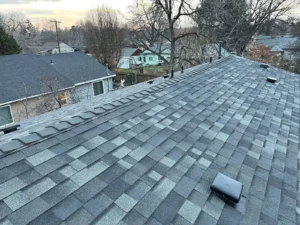
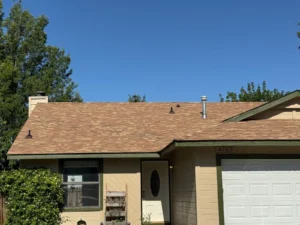
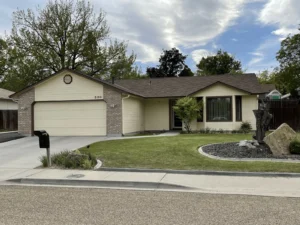
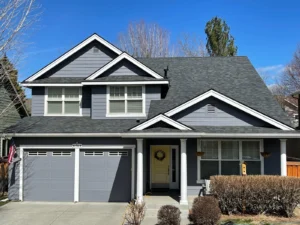
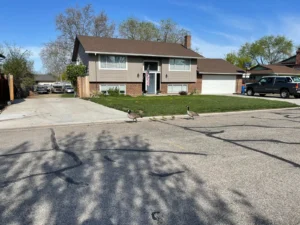
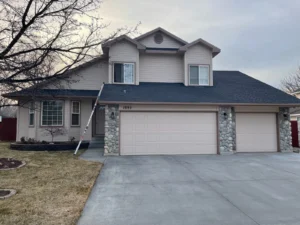
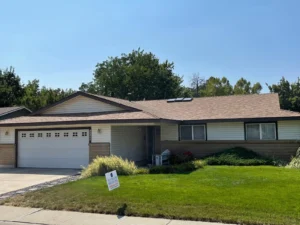
Boise Homes We've Worked On
Boise Roof Tips: What Changes by Neighborhood
Roof replacement considerations can vary depending on the Boise neighborhood or subdivision you live in. Factors like sun exposure, wind patterns, mature trees, and home age can affect how roofs wear over time. In addition, many Boise communities have CCR guidelines or HOA requirements that may impact roofing materials, colors, or installation standards.
Understanding both the environmental factors and neighborhood guidelines helps homeowners make better decisions when planning a roof repair or replacement.
Where can I find my neighborhood’s roofing guidelines or CCR requirements?
Many Boise subdivisions include CCR (Covenants, Conditions & Restrictions) that outline requirements for roofing materials, colors, or installation standards. On this page you can explore neighborhood information and resources to help identify these guidelines before starting a roofing project.
How long does a roof replacement take in Boise?
Most Boise roof replacements are completed in 1–2 days for standard homes. Larger or more complex roofs may take longer, especially if decking repairs or ventilation upgrades are needed.
Do I need a permit for roof replacement in Boise?
In most cases, a building permit is required for full roof replacement in Boise. Your contractor typically handles the permit and inspection process as part of the project.
What roofing materials lasts longest in Boise weather?
In Boise’s hot, sunny climate, standing seam metal roofing typically offers the longest lifespan—often 40+ years. Architectural asphalt shingles remain the most popular and cost-effective option, generally lasting 20–30 years when properly installed and ventilated.
Do you handle insurance claims after storm damage?
Yes. After storm damage, we assist homeowners by documenting roof conditions, providing detailed estimates, and meeting with insurance adjusters when needed. While coverage decisions are made by your insurance provider, we help ensure the damage is properly assessed.