
How Long Do New Gutters Last? A Boise Homeowner's Guide To Gutter Lifespan & Care

New gutters may not be the flashiest home improvement—but they’re one of the most essential. Whether you’re dealing with spring rain, melting snow, or summer dust storms, gutters play a critical role in protecting your home’s foundation, siding, and roof.

If you’re considering replacing your gutters or installing a new system, you’re probably wondering: How long will they actually last? The answer depends on a few key factors, including material, maintenance, and climate. Luckily, for homeowners in Boise, Idaho, we’ve got the breakdown that will help you make the right decision for your home—and your budget.

Average Lifespan of New Gutters (By Material)

Not all gutters are created equal. Some last longer than others, and each comes with its own pros and cons. Here’s a look at the most common gutter materials and their typical lifespans:

1. Aluminum Gutters (20–30 Years)

Aluminum is lightweight, rust-resistant, and easy to install. It’s one of the most popular choices for Boise homes because it stands up well to both summer heat and winter freeze. With proper care, these gutters can last up to 30 years.

2. Galvanized Steel Gutters (15–20 Years)

Steel gutters are strong and can handle heavy rainfall and snow loads. However, they are prone to rust over time—especially if not maintained—so their lifespan tends to be shorter than aluminum.

3. Vinyl Gutters (10–20 Years)

Vinyl gutters are a budget-friendly option and are resistant to rust and corrosion. However, they can crack or warp in extreme cold or heat, which means their lifespan in Boise’s fluctuating weather may be closer to the 10–15 year range without regular care.

4. Copper Gutters (50+ Years)

Copper gutters are the luxury option—beautiful, durable, and incredibly long-lasting. They’re ideal for historic or high-end homes and can last over 50 years when properly installed and maintained.

Factors That Impact Gutter Lifespan

Even the best gutters need proper care to reach their full potential. Here’s what can extend—or shorten—the life of your gutter system:

  •  
    • Installation Quality
      Gutters installed incorrectly can sag, leak, or pull away from your home. Always hire a professional installer to ensure a solid, long-lasting fit.
    • Regular Cleaning
      Clogged gutters lead to water backup, rust, and damage to your roof and fascia. Cleaning your gutters at least twice a year (or installing gutter guards) helps prevent these problems.
    • Gutter Guards
      These handy add-ons reduce debris buildup and minimize the need for frequent cleanings. They also protect against pests and ice dams.
    • Climate and Weather
      Boise’s climate includes snowy winters and dry, dusty summers. Seasonal changes can cause gutters to expand and contract, so choosing a weather-appropriate material is key.
    • Maintenance of Adjacent Systems Keeping your roof, soffits, and downspouts in good shape will help your gutter system perform better and last longer.

How to Know When It’s Time for New Gutters

Wondering if your current system is on its way out? Look for these warning signs:

    • Peeling paint or rust stains along your gutters


    • Sagging or pulling away from the roofline


    • Water overflowing or pooling near your foundation


    • Cracks, splits, or visible holes


    • Interior leaks or water stains near windows or ceilings


If you’re seeing one or more of these issues, it might be time to consider a full replacement.

Gutters That Last Start With Expert Installation

The lifespan of your new gutters depends on the material, the environment—and most importantly—the quality of installation. A reliable gutter system isn’t just about getting water off your roof. It’s about protecting your entire home from moisture damage, erosion, and expensive repairs.

At Superior Roofing in Boise, Idaho, we specialize in gutter installation designed for our region’s unique weather patterns and architectural styles. Whether you need a quick fix or a full gutter system replacement, we’ll make sure your home stays protected for years to come.

Contact Superior Roofing today for a free consultation and discover the difference that quality craftsmanship and personalized service can make.

Recent Blogs

Red Feather CCR Guidelines

Quick CCR Rules

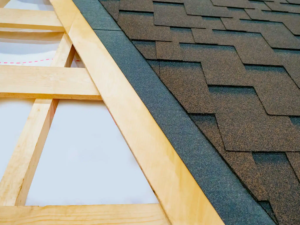
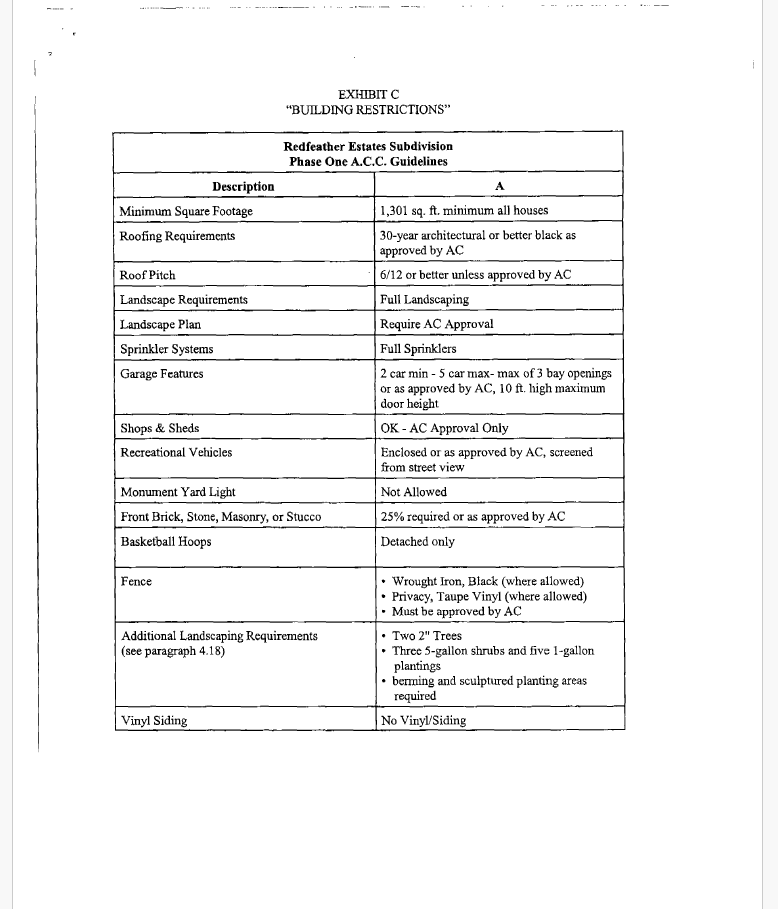
• 30-year architectural shingles required
• Black roofing unless approved otherwise
• Minimum roof pitch of 6/12
• Roofing materials must be approved by AC
• Accessory structures must match the home

Detailed Summary

The Red Feather CCRs include several guidelines that may affect roof replacements, materials, and design choices. Below is a plain-language summary of the roofing-related sections identified in the CCR document.

Roofing Material Requirements
Homes in Red Feather must use 30-year architectural shingles or better, typically in black roofing, unless another option is approved by the Architectural Committee (AC).

Roof Pitch
Homes in the neighborhood are expected to maintain a minimum roof pitch of 6/12 unless an alternative design is approved by the Architectural Committee.

Architectural Committee Approval
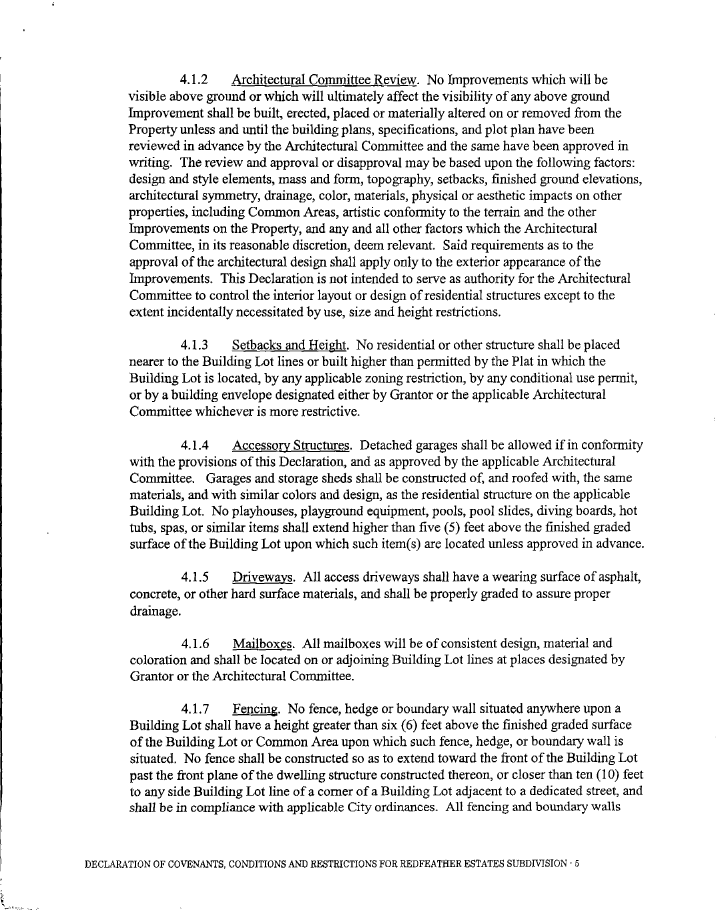
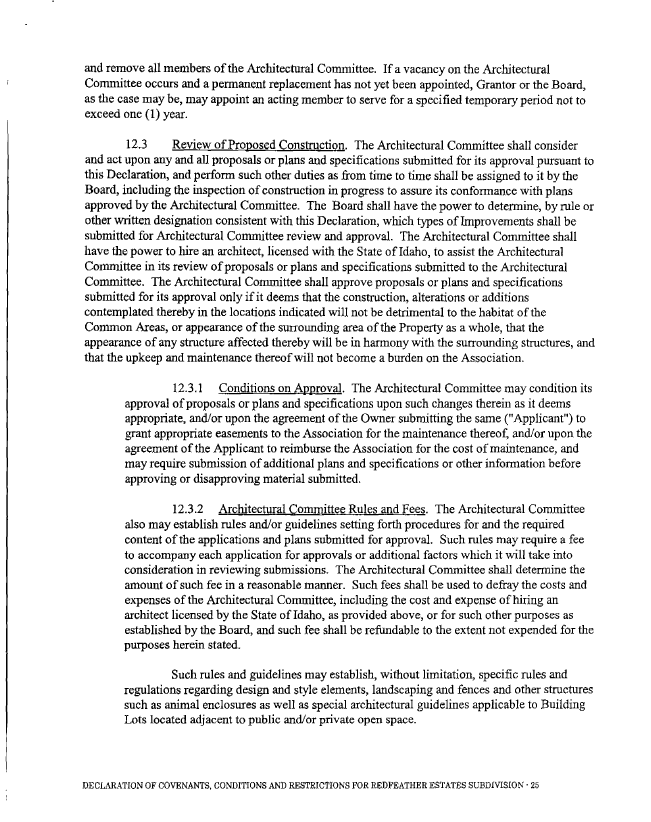
Roofing materials, colors, and design must be reviewed and approved by the Architectural Committee (AC) as part of the building plans and specifications for the property.

Accessory Structures
If a property includes structures such as garages or storage sheds, they must be roofed using the same roofing materials and similar colors/design as the primary home.

Developer Exemption
The original developer (Grantor) was not required to obtain Architectural Committee approval for roofing materials or design for improvements built during the development phase.

Source Pages

Disclaimer

This summary is provided as a convenience to help homeowners quickly understand roofing-related provisions within the Red Feather CCR document. CCR rules and HOA guidelines may change or be interpreted differently by the Architectural Committee. Homeowners should review the full governing documents and confirm current requirements with the HOA or Architectural Committee before beginning any roofing project.

Need help navigating your neighborhood’s roofing requirements? Our team regularly works in West Boise and can help ensure your roof replacement meets subdivision guidelines.

Info collected March 2026