A leaky roof might start small, but if left unchecked, it can quickly turn into a big, expensive headache. Whether it’s a slow drip or a sudden stain spreading across your ceiling, roof leaks can cause serious damage to your home’s structure, insulation, and even your health.
The good news? If you know what to look for and how to respond, you can minimize the damage—and get the right roof repair fast.
Let’s explore when leaks are most likely to occur, how to spot them, and what to do when you discover one in your Boise-area home.
When Are Roof Leaks Most Likely to Happen?
Roof leaks can happen at any time, but some conditions make them more likely. In Boise, where the seasons bring everything from heavy snow to wind-blown rain, your roof is constantly battling the elements.
Here are the most common times a leak might show up:
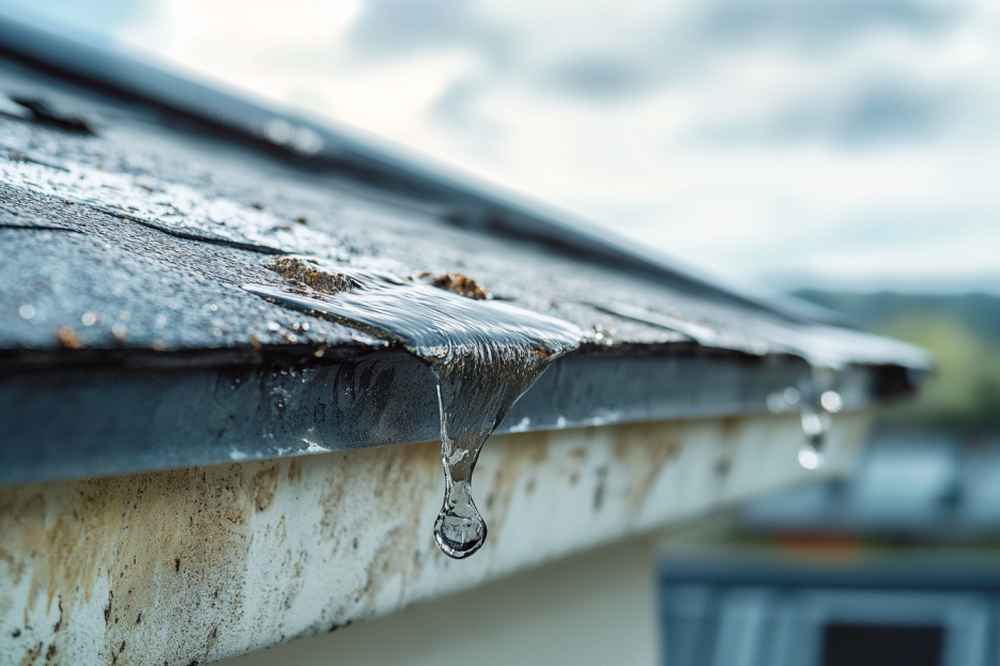
- After a heavy rainstorm or snowmelt – Water can sneak in through damaged flashing, lifted shingles, or clogged gutters.
- Following high winds – Shingles can crack, curl, or even blow off, creating vulnerabilities.
- When ice dams form – In winter, trapped ice at the roof’s edge can cause melting snow to back up under your shingles.
- As your roof ages – Roofing materials naturally wear down over time, especially after 15-20 years.
- If flashing or seals fail – Areas around chimneys, skylights, and vents are prone to leaks if seals become damaged or deteriorate.
Understanding when your roof is most at risk can help you stay one step ahead of trouble.
How to Spot a Roof Leak Before It Gets Worse
Roof leaks aren’t always dramatic. Sometimes they’re subtle, making it easy to overlook them until major damage has already occurred. Here are some common signs that water may be sneaking in:
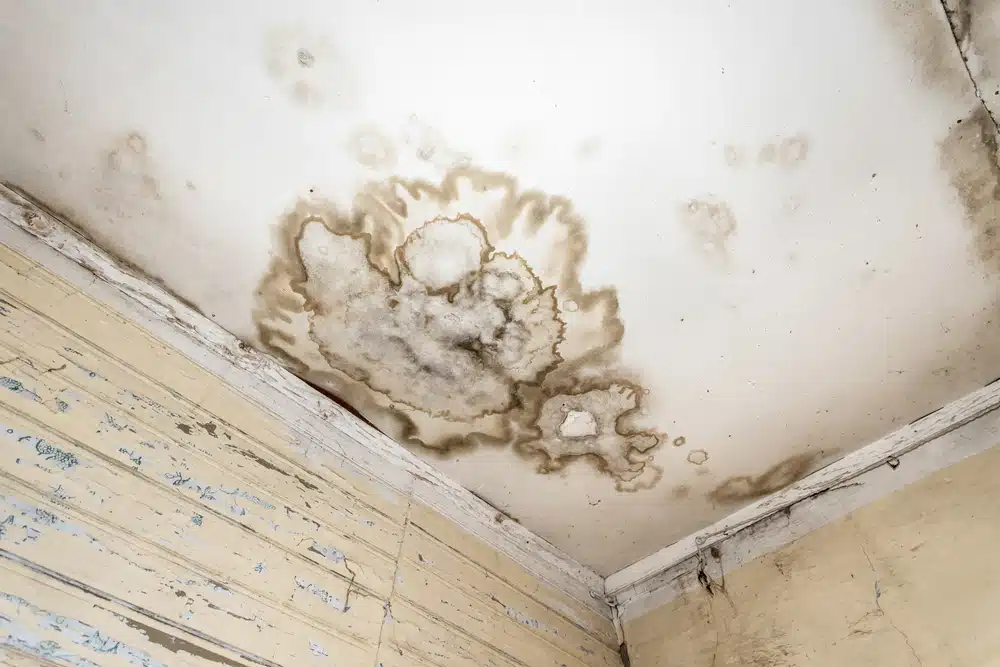
- Ceiling stains or discoloration – Brown or yellow spots on ceilings or walls are often the first visible clue.
- Dripping water or moisture in the attic – Check your attic after heavy rain for wet spots or a musty smell.
- Peeling paint or bubbling drywall – Moisture inside walls can cause surface damage over time.
- Warped or sagging ceilings – Water pooling above the ceiling can cause it to bow or collapse.
- Missing or damaged shingles – From the ground, look for obvious signs of wear or damage to your roof.
- Increased energy bills – Leaks can allow cool or warm air to escape, forcing your HVAC system to work harder.
- Mold or mildew smells – Water leaks that go unnoticed can lead to mold growth behind walls or in ceilings.
If you notice any of these roof leak warning signs, it’s time to take action—fast.
What to Do If You Find a Leak
Discovering a roof leak can be stressful, but acting quickly will help you protect your home and reduce repair costs. Here’s what you should do:
- Contain the water – Place buckets, towels, or plastic sheeting under the leak to prevent damage to flooring or furniture.
- Protect your belongings – Move electronics, rugs, and valuables away from the affected area.
- Avoid climbing on the roof – It’s tempting to check it yourself, but wet roofs are dangerous. Leave inspections to professionals.
- Document the damage – Take photos of the leak and any visible water damage for insurance purposes.
- Call a local roofing expert – Contact a trusted Boise roofer like Superior Roofing to assess the damage, locate the source, and recommend the best fix.
- Get a professional inspection – Even small leaks can indicate larger problems. A thorough inspection will help catch hidden damage before it worsens.
Stop Leaks Before They Get Worse—Call Superior Roofing in Boise, ID
A roof leak is never convenient—but with the right help, it doesn’t have to be a disaster. At Superior Roofing, we’re proud to serve Boise, ID homeowners with fast, reliable leak detection and repair services.
Our experienced team knows how to spot even the most hidden roof issues and provide solutions that last. Whether it’s a small patch or a larger repair, we’re here to keep your home dry, protected, and worry-free.
Think you’ve got a leak? Don’t wait. Contact Superior Roofing in Boise, ID today to schedule an inspection and let us help you take care of your home from the top down.