If you’ve ever looked up at your roof and thought, “It’s looking a little tired, but maybe I can just put new shingles right on top,”—you’re not alone. For many Idaho homeowners, reroofing over existing shingles sounds like a quick, cost-effective fix. No messy tear-off, no exposed decking, and no big dumpster in the driveway for a week.
But before you jump in, it’s worth asking: Is reroofing over old shingles really a smart move—or just kicking the can down the road?
Let’s dig into the real pros, cons, and building code rules that apply here in Boise and across Idaho. Because when it comes to protecting your home, doing it right the first time can save you from a world of trouble later.
What Does “Reroofing” Actually Mean?
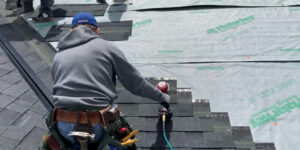
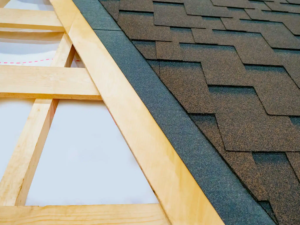
Reroofing—also called overlaying—means installing a new layer of shingles directly over your existing roof instead of tearing off the old ones. It’s faster, cheaper upfront, and it can look great (for a while).
Homeowners often choose this route when:
- The existing roof is old but not leaking.
- The decking underneath is still solid.
- They want to refresh the look of the home without a full replacement.
It sounds simple—and sometimes it is—but there’s more to it than just adding another layer. Let’s unpack what really happens when you reroof and how to know if it’s right for you.
The Pros of Reroofing Over Old Shingles
If you’re working with a tight budget or need a temporary solution, reroofing can make sense. Here are the upsides:
- Lower Cost: Since you’re skipping the tear-off, you save on labor and disposal fees. That can mean thousands saved upfront.
- Faster Turnaround: Without removing old shingles, the job moves quicker—sometimes done in a day or two.
- Less Mess: No piles of debris, no nails in the yard, and no risk of leaving your home exposed between tear-off and installation.
- Short-Term Curb Appeal: If you’re planning to sell soon, a fresh layer of shingles can give your home a quick visual upgrade.
When done correctly—and only when the structure underneath is sound—an overlay can buy you a few years of decent protection and aesthetics.
The Cons: What Most Homeowners Don’t Realize
Now, here’s where that Mike Rowe, “get-your-hands-dirty” truth comes in. While reroofing might sound like a clever shortcut, it comes with serious trade-offs you need to understand.
1. Hidden Damage Stays Hidden
If your old shingles are covering leaks, soft decking, or rotting underlayment, you won’t know until the damage spreads. Tearing off the old layer lets a professional inspect what’s really going on underneath. Skipping that step is like painting over rust—it looks fine until it’s not.
2. Added Weight = Added Stress
Shingles are heavy. Adding a second layer puts more strain on your home’s structure. In Idaho—where snow loads are already significant—this extra weight can stress rafters, leading to sagging or even structural failure over time.
3. Poor Ventilation & Shorter Lifespan
Two layers of shingles can trap heat and moisture, especially if attic ventilation isn’t ideal. That extra heat bakes the new layer from beneath, causing shingles to age faster and curl sooner.
4. Uneven Surface & Curb Appeal Issues
If your current shingles are curled, cracked, or buckling, overlaying will only make the surface bumpier. The new roof won’t lay flat, and you may end up with an uneven, wavy look that’s far from the sleek upgrade you imagined.
5. Future Replacement Costs More
When you eventually replace the roof (and you will), both layers will have to come off. That means higher disposal costs and more labor later. What you saved now, you’ll pay double down the road.
6. Warranty and Insurance Limitations
Many manufacturers won’t honor their warranty if shingles are installed over old ones. And some insurance companies may not cover damage if the roof has multiple layers. That’s a big deal when it comes time to make a claim.
The Code Factor: What Idaho Building Laws Say
Here’s the part many homeowners overlook—reroofing isn’t always legal.
According to the Idaho State Building Code (based on the International Residential Code, Section R908), reroofing is allowed only if:
- The existing roof has no more than one layer of shingles already.
- The existing shingles are in sound condition, securely attached, and free from trapped moisture.
- The roof deck can support the extra weight.
- There’s no evidence of leaks or structural weakness.
If your roof already has two layers—or shows signs of damage—code requires a full tear-off before installing new shingles.
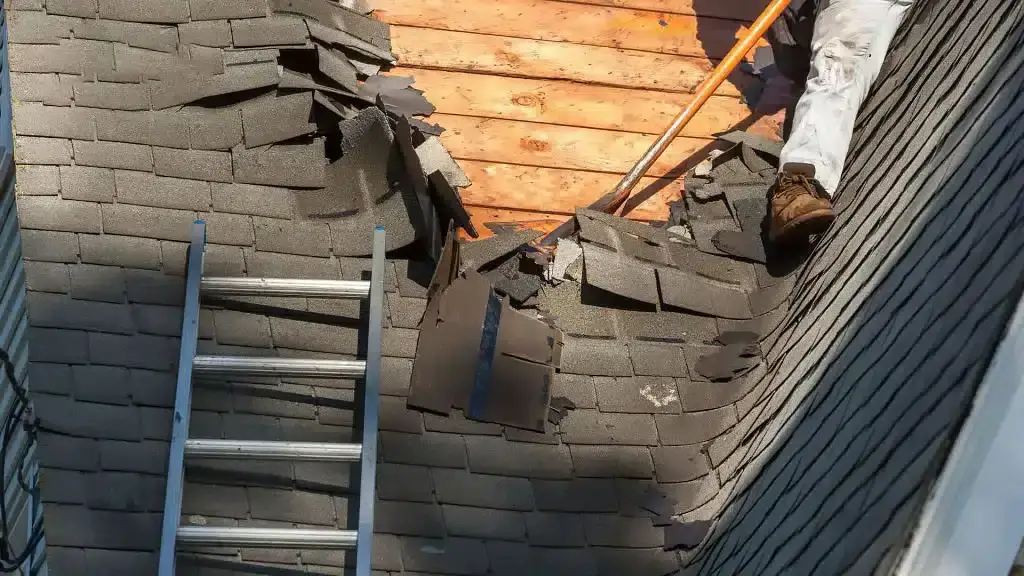
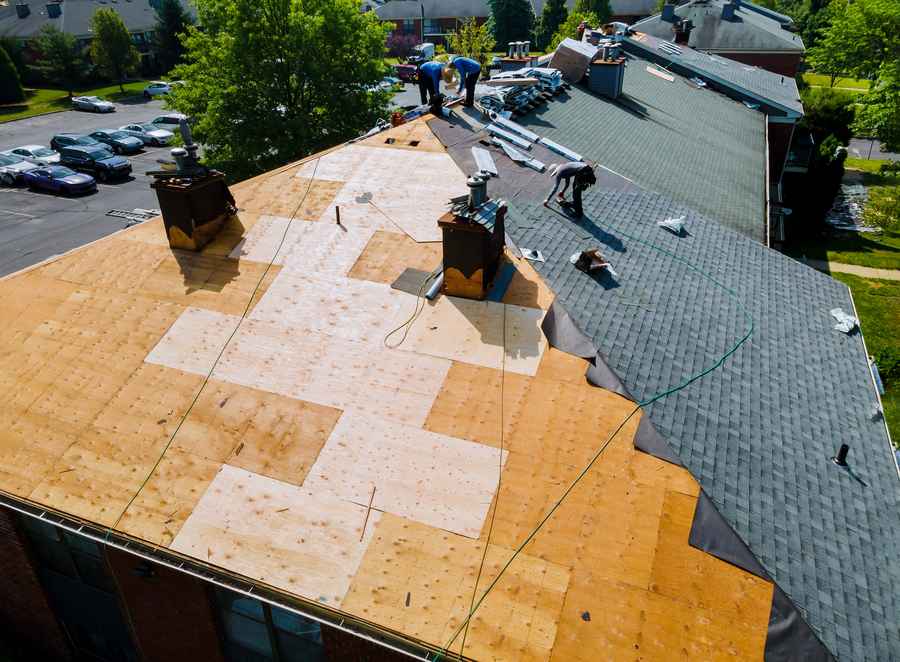
And for good reason. A proper tear-off allows your roofer to inspect the decking, replace damaged sections, and install updated materials like modern underlayment and ventilation systems. In Boise’s climate—where freeze-thaw cycles and snow buildup are real factors—cutting corners on structure and ventilation is asking for trouble.
How to Know If Reroofing Is Right for You
Here’s a simple homeowner checklist to help you (and your roofer) decide:
- Is there only one existing layer of shingles?
- Is the current roof flat, not curled or cracked?
- Is the decking solid with no signs of sagging or rot?
- Are there no leaks or water stains in the attic?
- Is your attic well-ventilated?
- Are you planning to stay in the home less than 5–7 years?
If you can check all those boxes, reroofing might be a reasonable short-term solution. But if any of these answers are “no,” you’re better off with a full replacement.
And if you’re not sure, don’t guess—ask for a professional inspection. A quality roofer can tell you exactly what’s going on beneath the surface and whether you’re safe to overlay or should start fresh.
Why Most Roofing Pros Recommend a Tear-Off
There’s a reason experienced roofers often say, “If you’re going to do it, do it right.”
A full tear-off:
- Lets your roofer inspect and repair the decking, preventing hidden rot.
- Ensures proper installation of ice- and water-shield membranes—critical for Idaho winters.
- Improves ventilation and energy efficiency, keeping your attic cooler and your roof healthier.
- Looks cleaner and smoother, improving curb appeal and resale value.
- Gives you access to full manufacturer warranties on materials.
Think of it like rebuilding a foundation instead of patching over a crack—you’re setting your home up for the next 25–30 years, not the next few seasons.
The Bottom Line: Reroofing Isn’t Always Wrong—but It’s Rarely Right
For Boise homeowners, reroofing over old shingles might be tempting—but it’s a decision that deserves careful thought. If your roof is in great shape except for wear on the surface, and you only have one layer, you might safely get by with an overlay.
But if you’re seeing curling, leaks, soft decking, or your roof has already been layered once, the best move—by far—is to start fresh.
A full tear-off gives you peace of mind, a longer-lasting roof, and a warranty that actually means something when Idaho’s weather turns rough.
Ready to Make the Smart Call?
Whether you’re curious about reroofing or ready for a full replacement, Superior Roofing in Boise, ID has you covered. Our team can inspect your existing roof, explain your options, and make sure every shingle meets Idaho code and manufacturer standards.
Don’t just cover up problems—fix them the right way. Call Superior Roofing today for a professional roof inspection and honest, expert advice you can trust.
Because when it comes to protecting your home, it’s not just about putting a roof over your head—it’s about putting the right one on it.