Tree on Your Roof? Here’s What to Do Next in Boise, ID

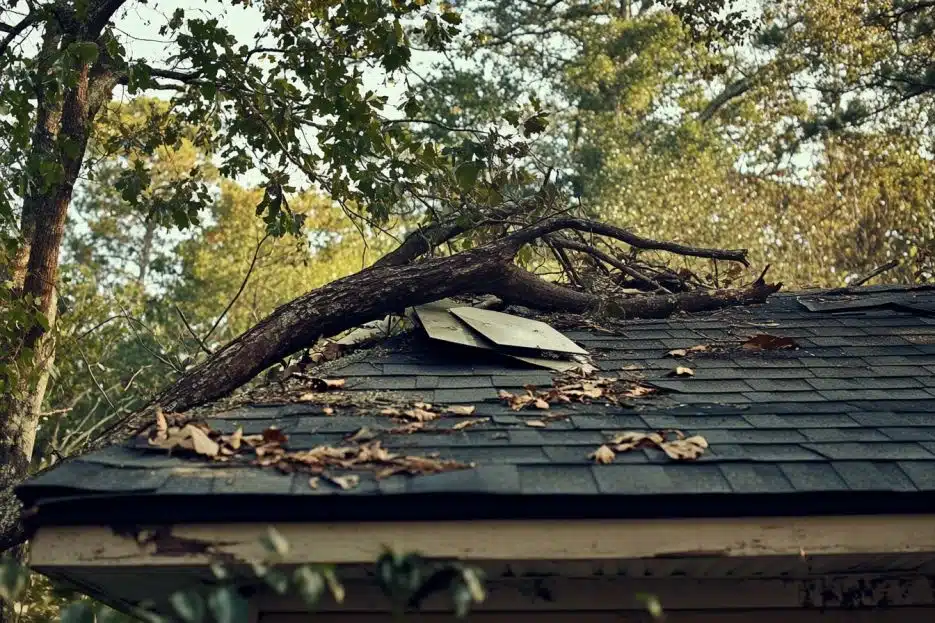
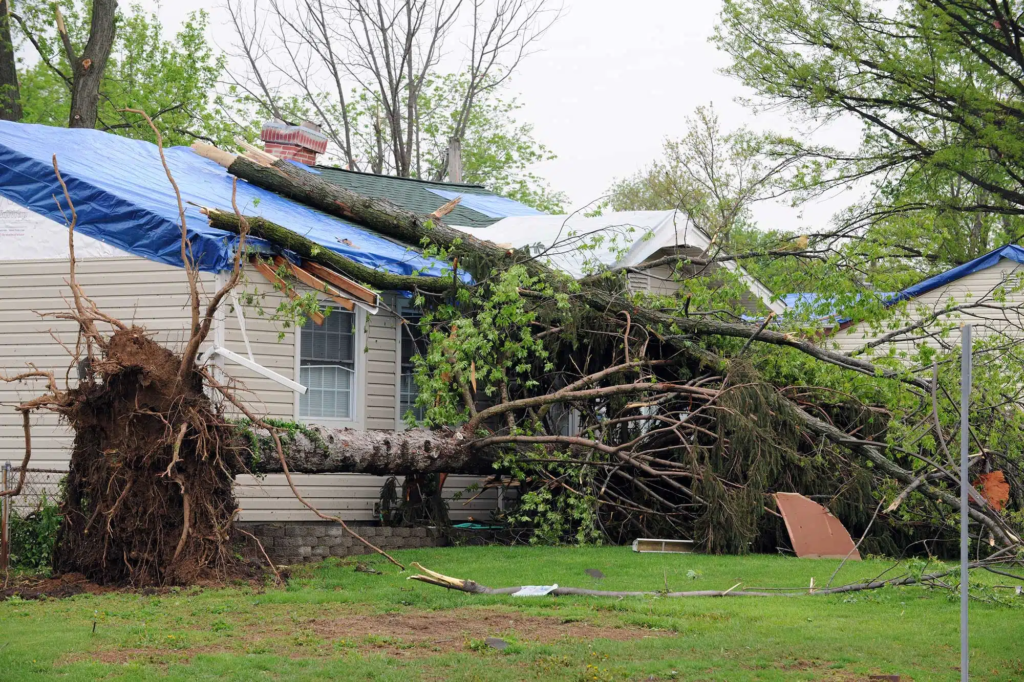
It’s a situation no homeowner wants to face—but in a place like Boise, where strong winds, heavy snow, or sudden storms are part of the seasonal landscape, it happens more often than you might think. One minute everything is fine, and the next, you’re staring at a tree that’s landed on your roof.

Scary? Definitely. But with the right steps—and help from a trusted roofing company in Boise—you can protect your home, your family, and your wallet from further damage. Here’s what to do when a tree falls on your roof—starting with safety—and how to handle the aftermath like a pro.

Step One: Stay Safe

The most important thing after any roof impact is making sure that everyone in your home is safe. A fallen tree can cause hidden structural issues, electrical hazards, and even gas leaks—so don’t take any chances.

What to do immediately:

  • Evacuate if necessary. If you hear cracking, shifting, or see significant damage, it’s best to leave the home and call for professional help.
  • Avoid going onto the roof. Even if it looks stable, the roof may be weakened or stressed beneath the weight of the tree.
  • Turn off utilities if you suspect damage. If there’s any concern about broken gas lines or electrical wires, shut off the main utilities and call the utility company.
  • Call 911 if there are injuries or serious structural threats.

Once everyone is safe, it’s time to assess and report the damage.

Step Two: Take Action (Safely)

With the immediate danger under control, the next step is to start organizing your response and getting the right people on-site.

Here’s a checklist to guide you:

  • Document the damage. Take clear photos and videos of the tree and roof from a safe distance. This documentation is important for insurance claims.
  • Call your insurance company. Let them know what’s happened and begin the claims process. They’ll advise you on what’s covered and next steps.
  • Call a professional roofer. Contact a trusted, local roofing contractor like Superior Roofing in Boise to inspect the damage and secure the area.
  • Don’t attempt removal yourself. Large limbs can shift suddenly and cause additional damage. Let professionals handle the tree removal and any temporary roof protection.
  • Request an emergency tarp if needed. If there’s exposed decking or an opening, your roofing contractor may install a temporary cover to prevent water damage until full repairs are made.

Step Three: Understand the Damage a Tree Can Cause

Even if the impact looks minor, tree damage can be deceptive. What’s hidden beneath the surface could lead to major headaches down the line if not handled properly.

Here’s what a fallen tree might do to your roof and home:

  • Shingle damage: Broken or ripped shingles leave your roof vulnerable to moisture, mold, and leaks.
  • Structural harm: A heavy tree can crack the roof decking, warp trusses, or even shift the home’s framing.
  • Crushed gutters or vents: Impact often damages exterior systems, reducing proper drainage or airflow.
  • Interior leaks: Water may begin seeping into attic insulation or ceiling drywall—even if you don’t notice it right away.
  • Chimney and flashing damage: If the tree hits near a chimney or wall junction, flashing could be torn loose, causing water entry over time.

That’s why it’s so important to have a full roof inspection, even if the damage seems small.

Call Superior Roofing in Boise, ID for Help After Storm or Tree Damage

When the unexpected happens—like a tree falling on your roof—you need a team you can trust to respond quickly, work safely, and restore your home with care. At Superior Roofing in Boise, ID, we specialize in emergency roof repairs, storm damage assessments, and full roof replacements if needed.

We’re proud to serve the Boise community with experienced professionals who know how to act fast, minimize damage, and get your roof back to top condition.

If a tree has hit your roof, don’t wait. Contact Superior Roofing today for expert service and peace of mind. We’ll help you through every step—from emergency response to full repair—so you can get back to feeling safe and secure in your home.

Recent Blogs

Red Feather CCR Guidelines

Quick CCR Rules

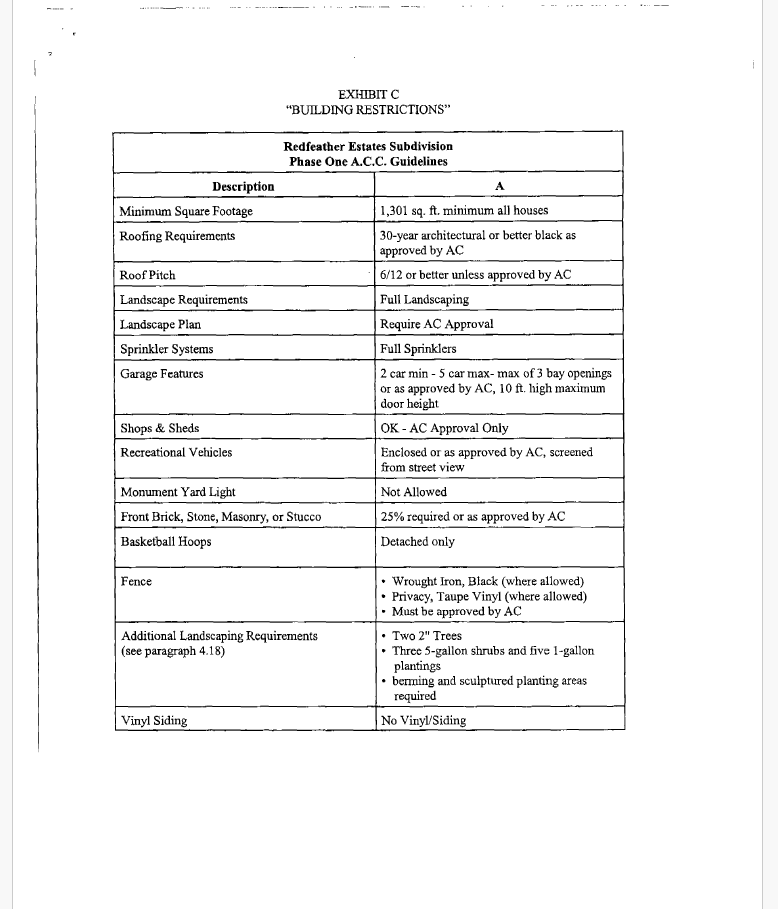
• 30-year architectural shingles required
• Black roofing unless approved otherwise
• Minimum roof pitch of 6/12
• Roofing materials must be approved by AC
• Accessory structures must match the home

Detailed Summary

The Red Feather CCRs include several guidelines that may affect roof replacements, materials, and design choices. Below is a plain-language summary of the roofing-related sections identified in the CCR document.

Roofing Material Requirements
Homes in Red Feather must use 30-year architectural shingles or better, typically in black roofing, unless another option is approved by the Architectural Committee (AC).

Roof Pitch
Homes in the neighborhood are expected to maintain a minimum roof pitch of 6/12 unless an alternative design is approved by the Architectural Committee.

Architectural Committee Approval
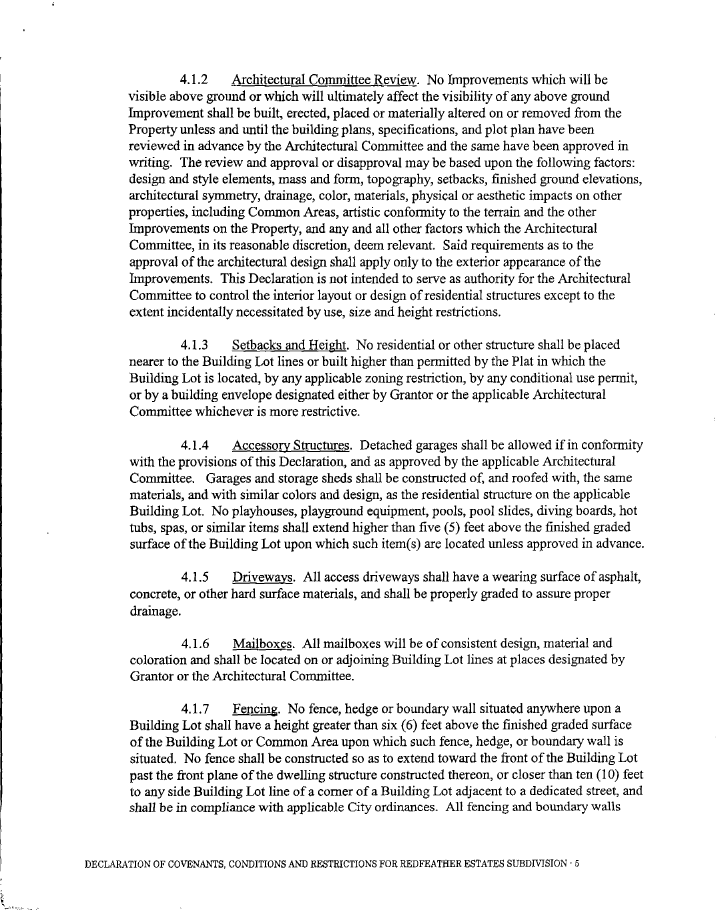
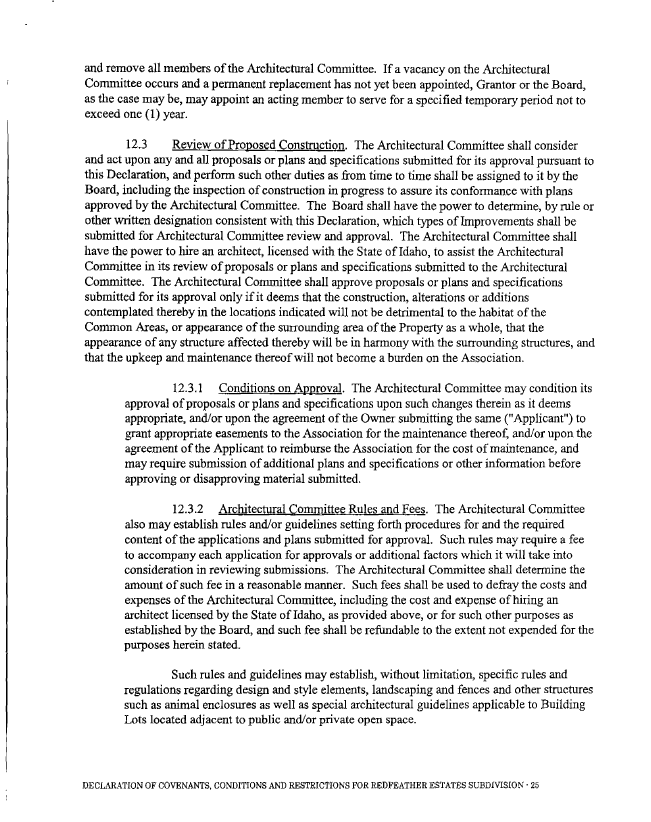
Roofing materials, colors, and design must be reviewed and approved by the Architectural Committee (AC) as part of the building plans and specifications for the property.

Accessory Structures
If a property includes structures such as garages or storage sheds, they must be roofed using the same roofing materials and similar colors/design as the primary home.

Developer Exemption
The original developer (Grantor) was not required to obtain Architectural Committee approval for roofing materials or design for improvements built during the development phase.

Source Pages

Disclaimer

This summary is provided as a convenience to help homeowners quickly understand roofing-related provisions within the Red Feather CCR document. CCR rules and HOA guidelines may change or be interpreted differently by the Architectural Committee. Homeowners should review the full governing documents and confirm current requirements with the HOA or Architectural Committee before beginning any roofing project.

Need help navigating your neighborhood’s roofing requirements? Our team regularly works in West Boise and can help ensure your roof replacement meets subdivision guidelines.

Info collected March 2026