What Can I Expect to Pay for a Roof Replacement in Boise?

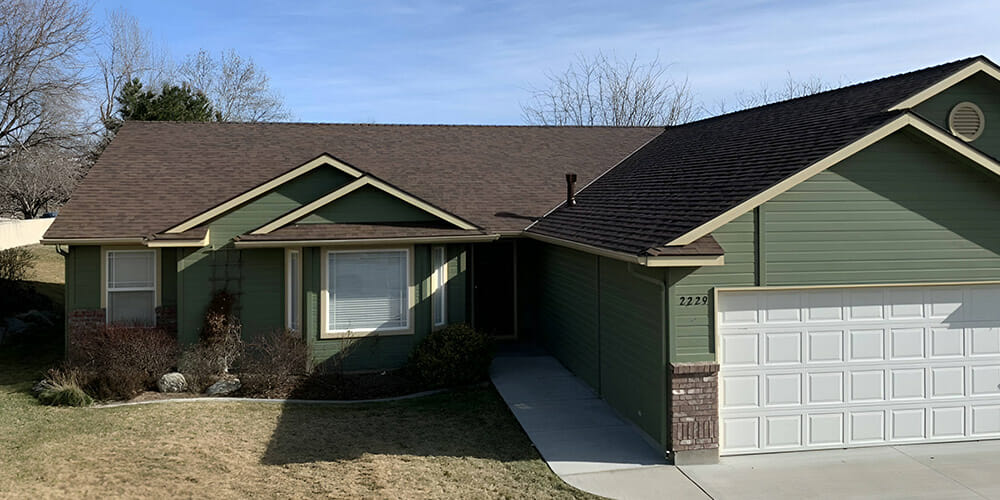
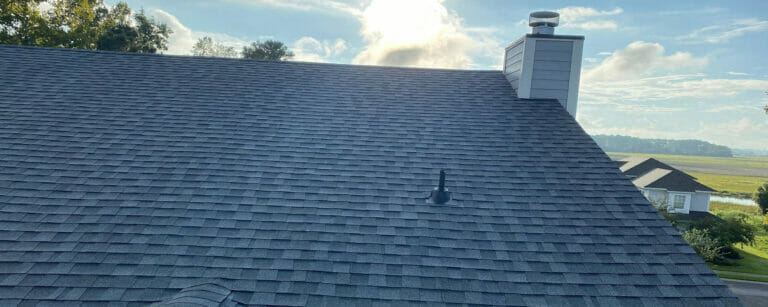
The cost of a new asphalt roof in Boise can vary depending on several factors, including the type of shingle chosen and the size and complexity of the roof. Here is a breakdown of the different types of asphalt shingles and their approximate costs, as well as the importance of a new roof.

The average cost of a new asphalt roofing system in the Boise area is between $400 to $750 per square. This cost depends on a variety of factors including the size of your home, the roofing materials used, and the installation costs. Call Superior Roofing Plus for an accurate estimate for your particular home.

Roofs are measured in “squares”. A 100-square-foot area is considered 1 square in roofing terms. To simplify, the amount of material needed to cover 100 square feet of roof area is equal to 1 square of roofing material. So, as an example, if a roof surface area is 2000 square feet, the contractor would figure 20 squares. You can approximate how many squares your home is by dividing the square feet of your roof area by 100.

  • 15 square roof = $6,000 to $11,250
  • 20 square roof = $8,000 to $15,000
  • 25 square roof = $10,000 to $18,750
  • 30 square roof = $12,000 to $22,500

What is the Difference Between Shingles?

There are four types of shingles we install.

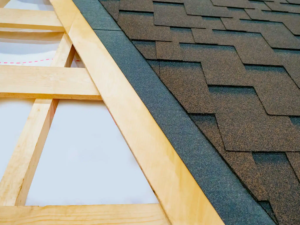
  • Three-Tab Asphalt Shingles – Three-tab shingles are the most basic and economical option. They are flat with three tabs evenly spaced on each shingle.
  • Architectural Asphalt Shingles – Architectural shingles, also known as dimensional or laminate shingles, offer a more visually appealing appearance with a multi-dimensional design. They are thicker and heavier than three-tab shingles and have a longer lifespan.
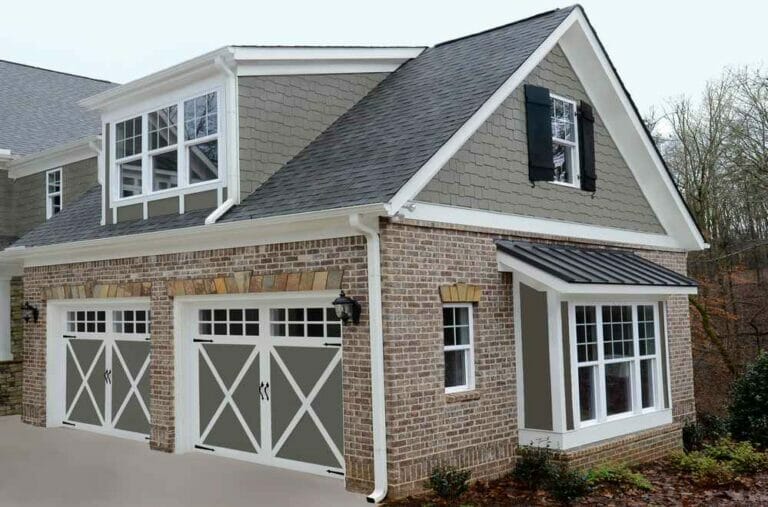
  • Luxury Shingles – Luxury shingles are a premium option that provides enhanced aesthetics and durability. These shingles often mimic the look of natural materials like wood or slate. Luxury shingles are thicker, more durable, and have a longer lifespan than standard asphalt shingles.
  • Impact-Resistant Shingles – Impact-resistant shingles are designed to withstand hail and wind damage, making them a popular choice in areas prone to severe weather conditions. These shingles are reinforced with a layer of impact-resistant material, such as polymers or fiberglass

Why is a New Roof Important?

Protection From the Elements

The primary function of a roof is to protect the interior of the home from the elements, such as rain, snow, wind, and UV radiation. A new roof ensures that your home remains watertight and shielded from potential damage caused by leaks and moisture infiltration.

Enhanced Energy Efficiency

A new roof with proper insulation and ventilation can significantly improve energy efficiency. It helps regulate indoor temperatures, reduces heat loss during winter, and minimizes heat gain in the summer. This, in turn, can lead to lower heating and cooling costs and create a more comfortable living environment.

Increased Home Value

A new roof can enhance the curb appeal and overall value of your home. It is one of the first things that potential buyers notice and can make a significant impression. A well-maintained and visually appealing roof can increase the marketability of your home and potentially result in a higher resale value.

Preventive Maintenance

Regular roof inspections and timely replacement can help identify and address minor issues before they escalate into major problems. By replacing your roof when it reaches the end of its lifespan or shows signs of significant wear, you can avoid more extensive damage to your home’s structure and potentially costly repairs.

Peace of Mind

A new roof provides peace of mind, knowing that your home is well-protected and secure. It eliminates the worries and uncertainties associated with an aging or deteriorating roof, allowing you to focus on other aspects of homeownership without the constant concern of potential leaks or damage.

Compliance With Building Codes

If your current roof no longer meets local building codes or regulations, replacing it becomes essential. Building codes are updated periodically to ensure safety standards are met. A new roof installation ensures that your home remains compliant with current codes and regulations.

In summary, the cost of a new asphalt roof in Boise can vary depending on the type of shingle chosen. Three-tab asphalt shingles are the most economical, while architectural, luxury, and impact-resistant shingles offer increased durability and aesthetic appeal at higher price points. A new roof is important for protecting your home from the elements, improving energy efficiency, increasing property value, preventing costly repairs, providing peace of mind, and ensuring compliance with building codes.

Be sure to place your trust in the professionals at Superior Roofing Plus when it comes to all things roofing. We are here to help in any way we can! Call today!

Recent Blogs

Red Feather CCR Guidelines

Quick CCR Rules

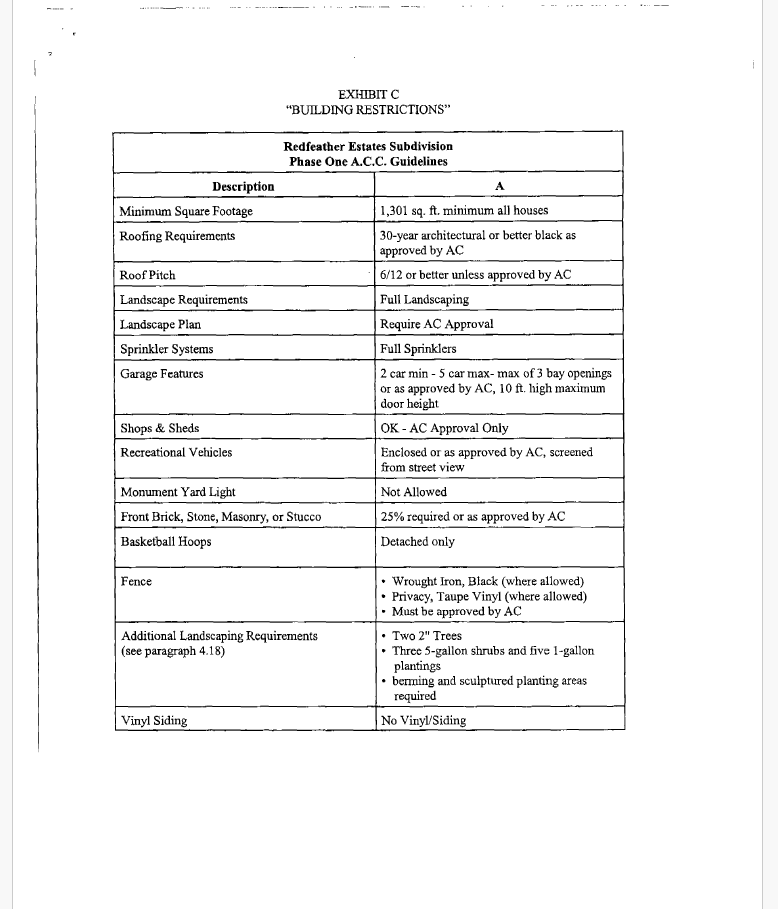
• 30-year architectural shingles required
• Black roofing unless approved otherwise
• Minimum roof pitch of 6/12
• Roofing materials must be approved by AC
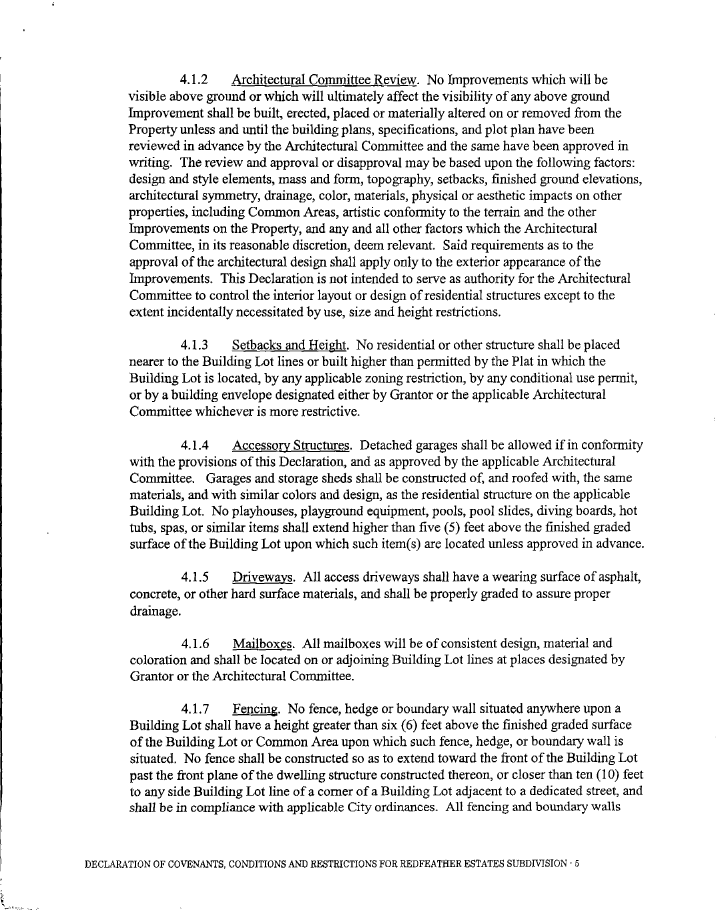
• Accessory structures must match the home

Detailed Summary

The Red Feather CCRs include several guidelines that may affect roof replacements, materials, and design choices. Below is a plain-language summary of the roofing-related sections identified in the CCR document.

Roofing Material Requirements
Homes in Red Feather must use 30-year architectural shingles or better, typically in black roofing, unless another option is approved by the Architectural Committee (AC).

Roof Pitch
Homes in the neighborhood are expected to maintain a minimum roof pitch of 6/12 unless an alternative design is approved by the Architectural Committee.

Architectural Committee Approval
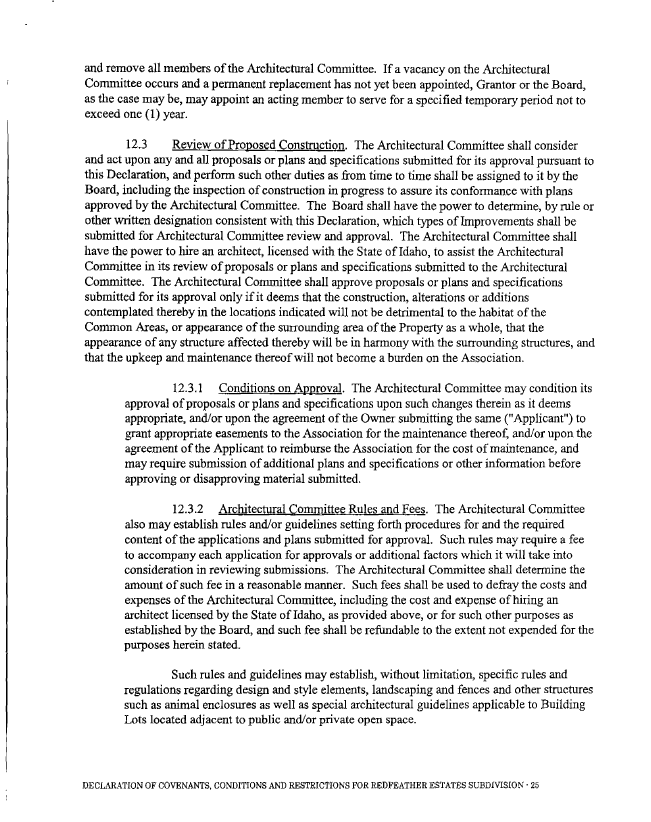
Roofing materials, colors, and design must be reviewed and approved by the Architectural Committee (AC) as part of the building plans and specifications for the property.

Accessory Structures
If a property includes structures such as garages or storage sheds, they must be roofed using the same roofing materials and similar colors/design as the primary home.

Developer Exemption
The original developer (Grantor) was not required to obtain Architectural Committee approval for roofing materials or design for improvements built during the development phase.

Source Pages

Disclaimer

This summary is provided as a convenience to help homeowners quickly understand roofing-related provisions within the Red Feather CCR document. CCR rules and HOA guidelines may change or be interpreted differently by the Architectural Committee. Homeowners should review the full governing documents and confirm current requirements with the HOA or Architectural Committee before beginning any roofing project.

Need help navigating your neighborhood’s roofing requirements? Our team regularly works in West Boise and can help ensure your roof replacement meets subdivision guidelines.

Info collected March 2026